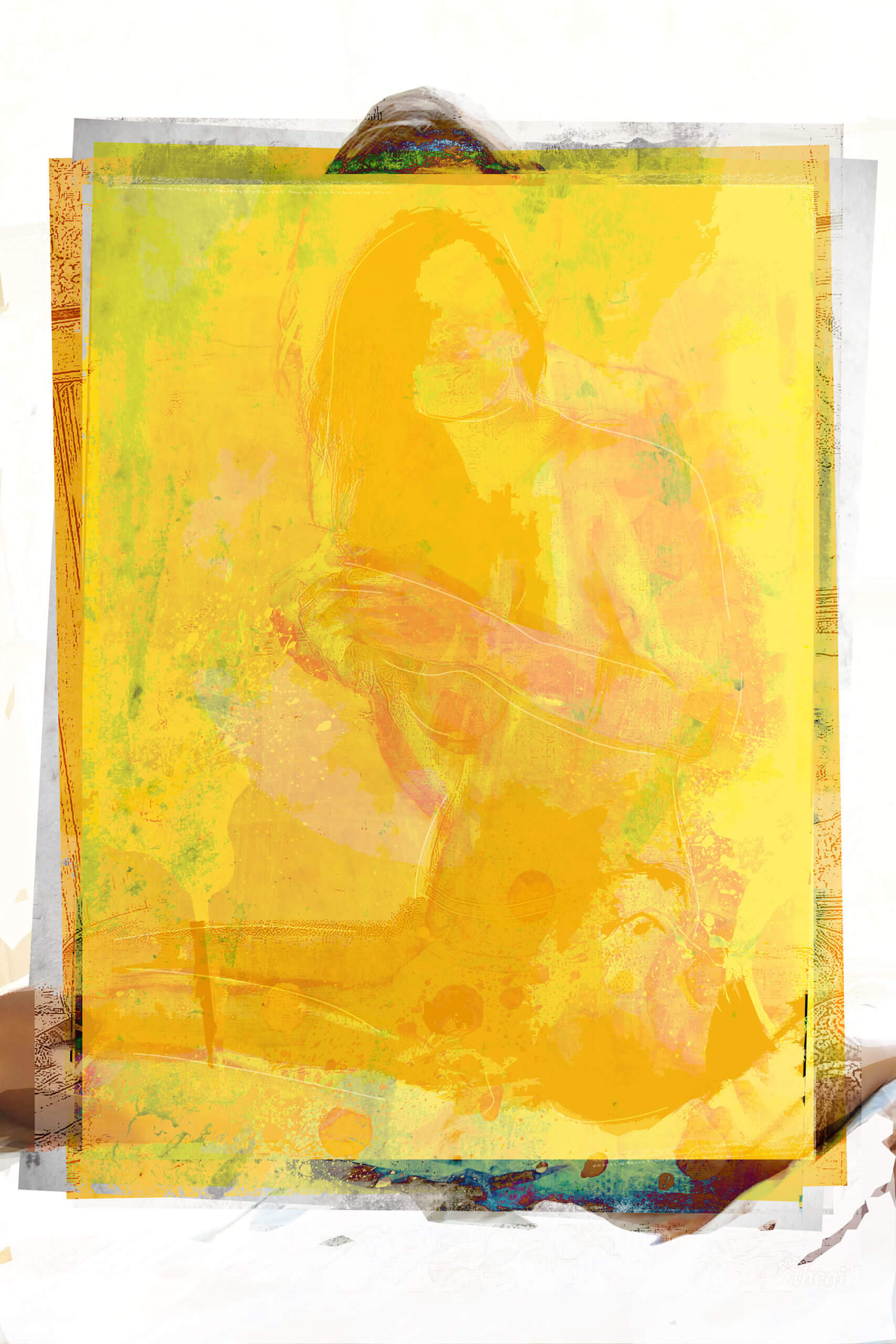
Vacuum
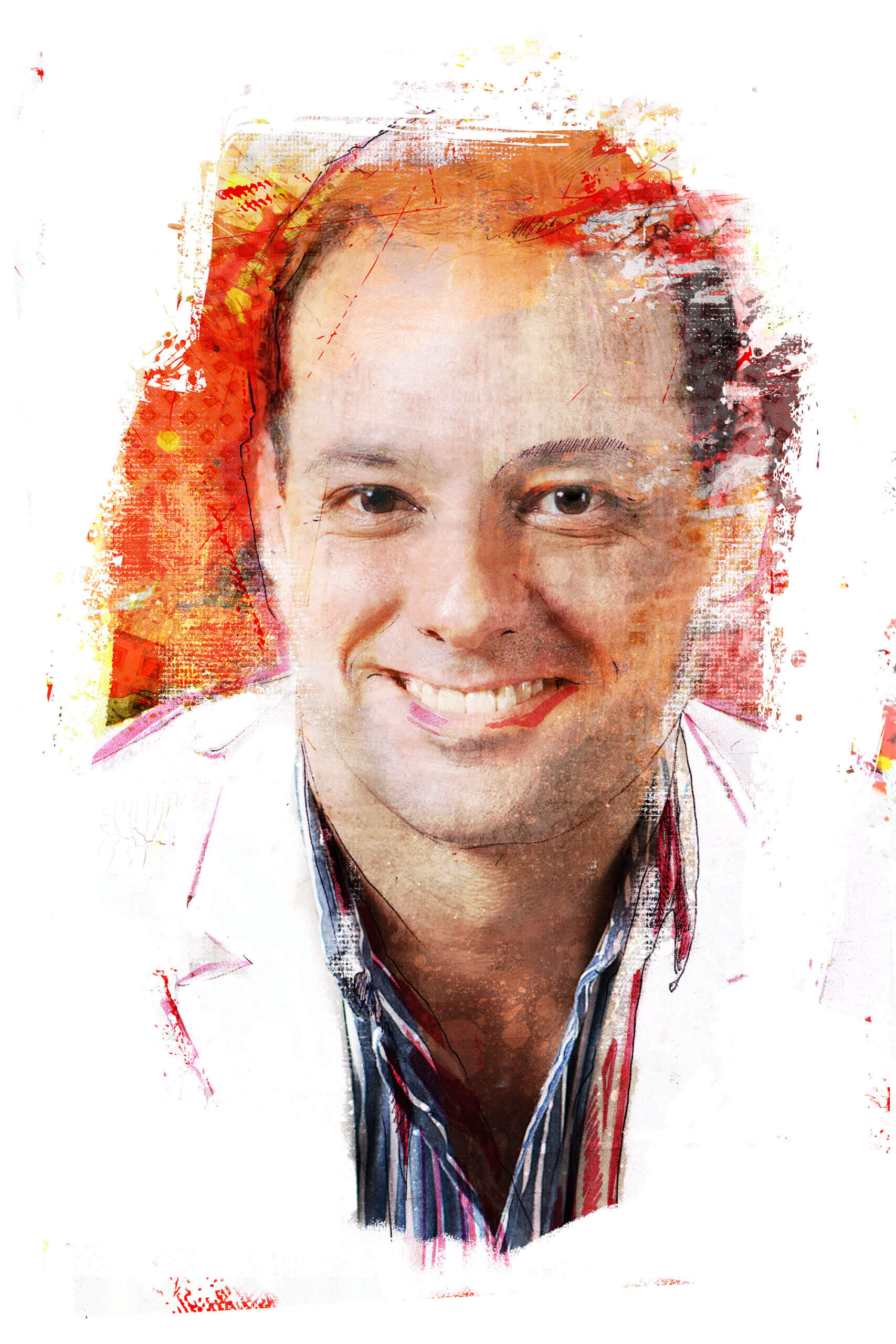
Portrait of Jason is a commissioned portrait of Jason Micallef of Mosta, chairman of the Valletta 2018 Foundation. The artwork was commissioned as a collective Christmas gift by a number of employees at the Foundation in 2017.
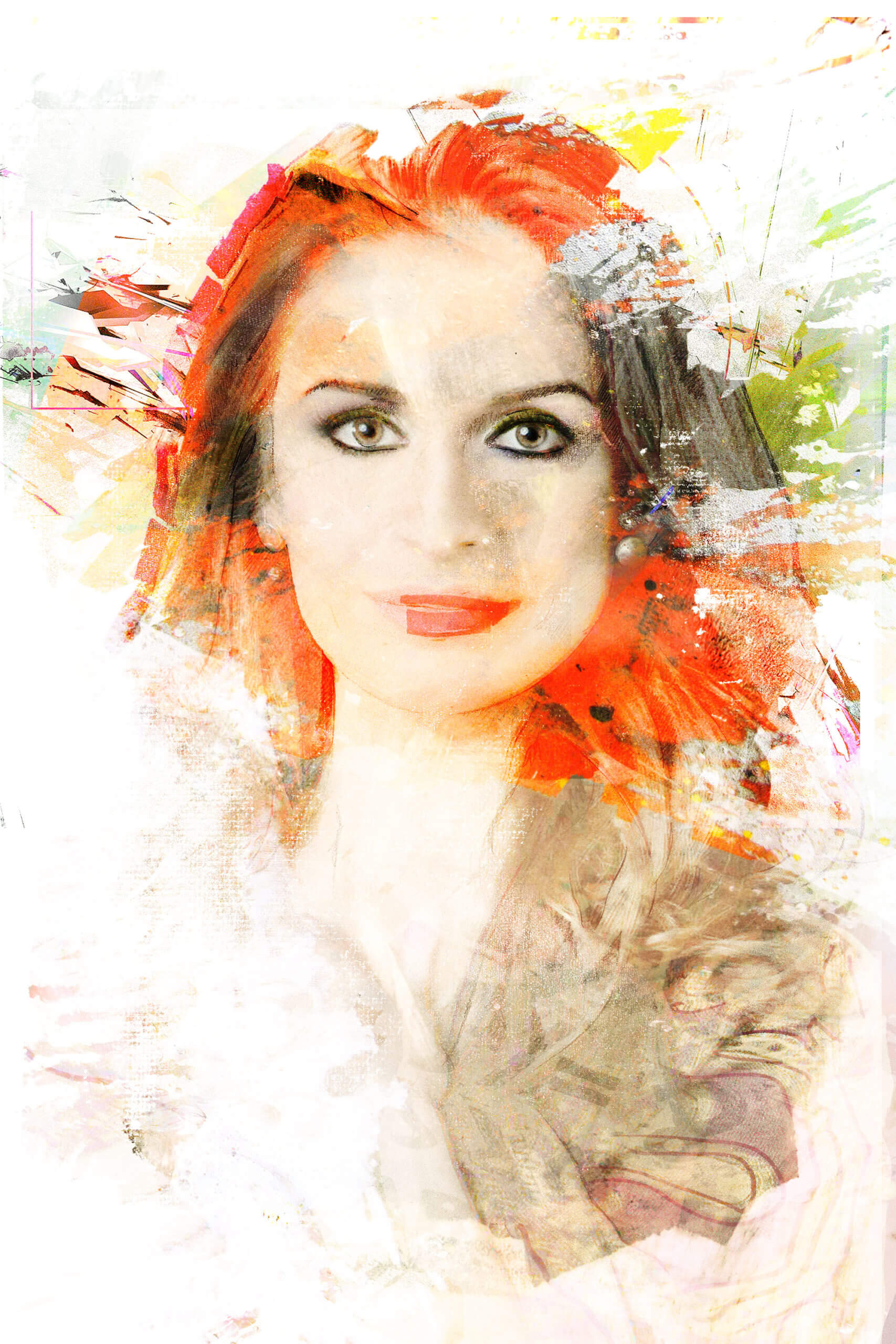
Portrait of Catherine is a commissioned portrait of Catherine Tabone of Zejtun, executive director of the Valletta 2018 Foundation. The artwork was commissioned as a collective Christmas gift by a number of employees at the Foundation in 2017.
The work involved working through digital collage, brush work and editing as shown in an experimental portrait that was documented in the process.
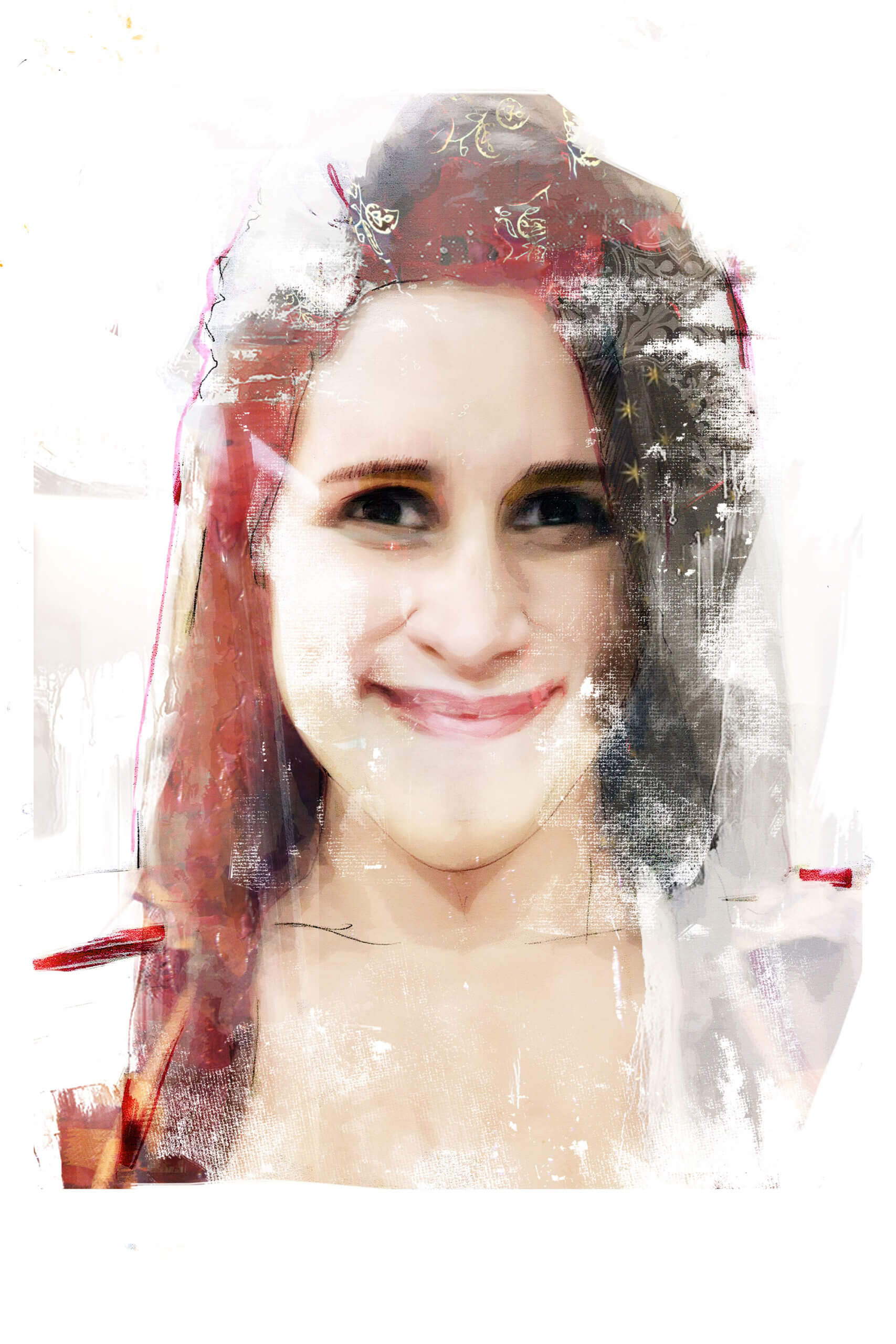
A portrait of Giuliana (2017)
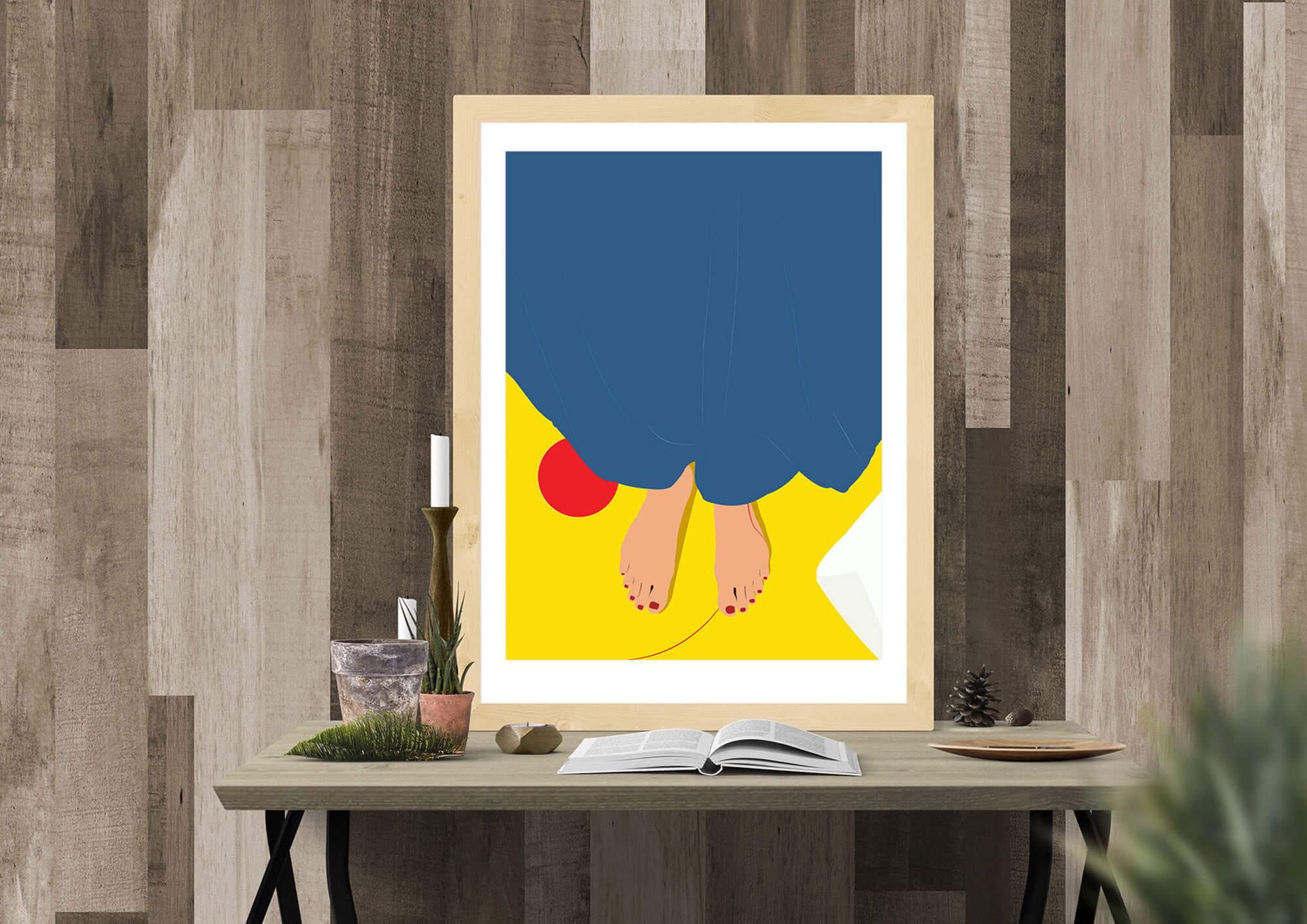
This work was initially part of the Kobba creative phase but was left out of the final collection.
In line with the Kobba theme, this artwork focuses on a connecting red thread being stamped upon by the figure in subject. The helpless viewer in close proximity watches over, questions and contemplates this gesture in a state of drunkenness.
The title of the work refers to a song by Diodato.

In 2016, Pawlu Mizzi presented this thought-provoking digital manipulation that captured the shifting reality of Malta’s urban landscape. The work reimagined a vintage statue of an altar boy, a familiar sight at the entrance of YTC Travel Malta in Merchants Street, Valletta. The physical statue bears the inscription “Għinni nsir qassis” (Help me become a priest), a plea for donations to support young men in their studies for the priesthood, symbolising the island’s culture rooted in spiritual and educational values.
However, Mizzi’s manipulation altered the narrative profoundly. By replacing the inscription with “Għinni narma krejn” (Help me set up a crane), he drew attention to the escalating construction boom that was transforming Malta’s skyline. This shift from a spiritual appeal to an industrial one starkly highlighted how the island’s priorities had changed. Malta, once characterised by its religious heritage and rural charm, was rapidly becoming dominated by cranes, concrete, and the steady erosion of its natural and cultural landscapes.
The reworked statue became a powerful metaphor for the country’s transformation, where economic progress seemed to come at the cost of its identity. Mizzi’s manipulation did more than critique the visible changes to the physical environment—it aimed as a reflection on the social and cultural implications of such development. As the cranes multiplied and construction projects expanded, the very essence of what it meant to be Maltese was being questioned. The rural beauty and architectural heritage that had defined the island were under siege, replaced by a relentless focus on urbanisation.
This digital manipulation, shared on Facebook, urged viewers to contemplate the consequences of unchecked development. The altar boy, once a figure of spiritual aspiration, now symbolised the island’s pivot towards economic gain, with its inevitable toll on the environment and heritage. A sharp commentary on the fragile balance between modernisation and preservation.
The piece remains as relevant today as it was when it was created. In the years since its unveiling, Malta has seen even more rapid expansion, with the construction boom showing no signs of abating. The once-green spaces of the island have been replaced by buildings, and cranes still loom large over both rural and urban landscapes. The concerns that Mizzi raised in 2016 have only intensified, making the work a prescient and enduring reminder of the need to reflect on the true cost of progress.
Pawlu Mizzi’s manipulation resonates because it encapsulates the tensions that Malta continues to face. His work questions whether the island is willing to sacrifice its unique cultural identity and natural beauty for short-term economic gain. While development is an inevitable aspect of any modern society, Mizzi’s art asks us to consider the consequences of losing sight of the very things that make Malta distinctive. It calls for a more thoughtful approach, one that prioritises the protection of both heritage and environment alongside progress.
Even after almost a decade, this digital manipulation challenges audiences to reflect on the island’s trajectory. It remains a call for consciousness about the fragility of the country’s identity in the face of relentless development.
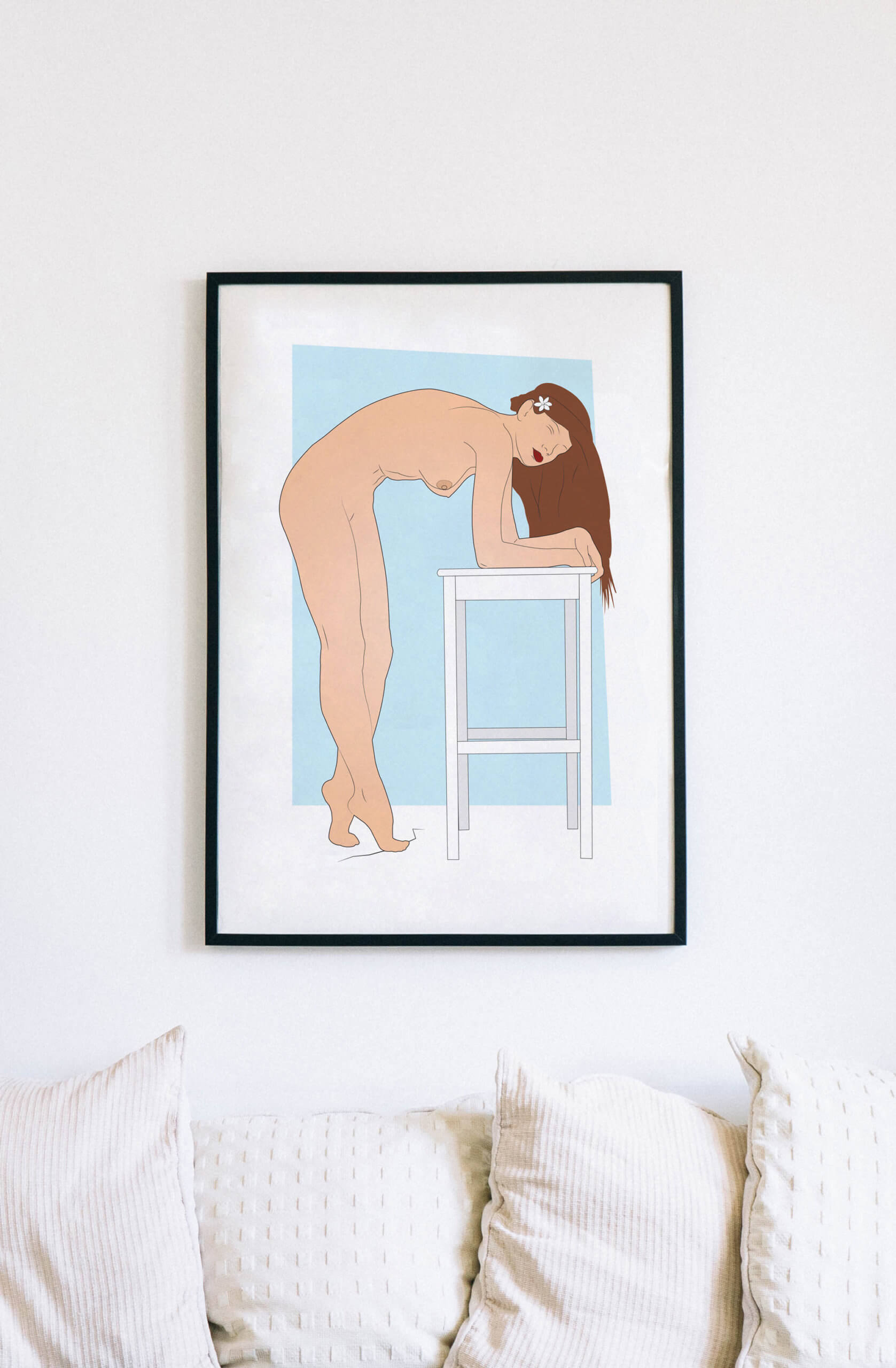
This was part of an initiative by 24 Art Collective – an improvised collective of designers, photographers, illustrators and typographers who joined efforts and created limited edition artworks in reaction to the earthquake at Acumuli and Amatrice (IT) that took place on August 24, 2016. All proceeds from the sales of these prints were meant to go towards a fund set up by SOS Malta for the areas affected, yet the project took long to be launched and eventually dissolved. Any sales of this artwork will still be donated to SOS Malta.
Anemone symbolizes the grief around Acumuli and Amatrice as these two communities cried the deaths of around 290 people. Hope is here depicted as a nude female who rests on solid structure, whilst stepping on the crevasse of the 24/08 earthquake. Adorning her hair is an Anemone flower; which is also a metaphor of excitement for a prosperous future and the arrival of the first spring winds.

A commissioned portrait of Marouska Farrugia.

Portrait of Sabrina Calleja Jackson of Birżebbuġa

This work was one of the precursors for the Kobba concept and its creative phase but was left out of the final collection. In line with the concept behind Kobba, it raises questions about attachments, intimacy and relationships with the self and beyond.
 Daphne
Mizzi never endorsed Caruana Galizia’s journalism, especially due...
Daphne
Mizzi never endorsed Caruana Galizia’s journalism, especially due...
 The Death of Malta
Death of Malta is a digital print on canvas by Pawlu Mizzi that d...
The Death of Malta
Death of Malta is a digital print on canvas by Pawlu Mizzi that d...
 Her Majesty
Appropriation art usually takes a recognisable object, text or im...
Her Majesty
Appropriation art usually takes a recognisable object, text or im...
 Kobba
Introduction Kobba is the Maltese word for a clew, a ball of yarn...
Kobba
Introduction Kobba is the Maltese word for a clew, a ball of yarn...
 Consumatum Est
The Catholic religion and its traditions still hold a strong infl...
Consumatum Est
The Catholic religion and its traditions still hold a strong infl...