Archives: Projects

Her Majesty

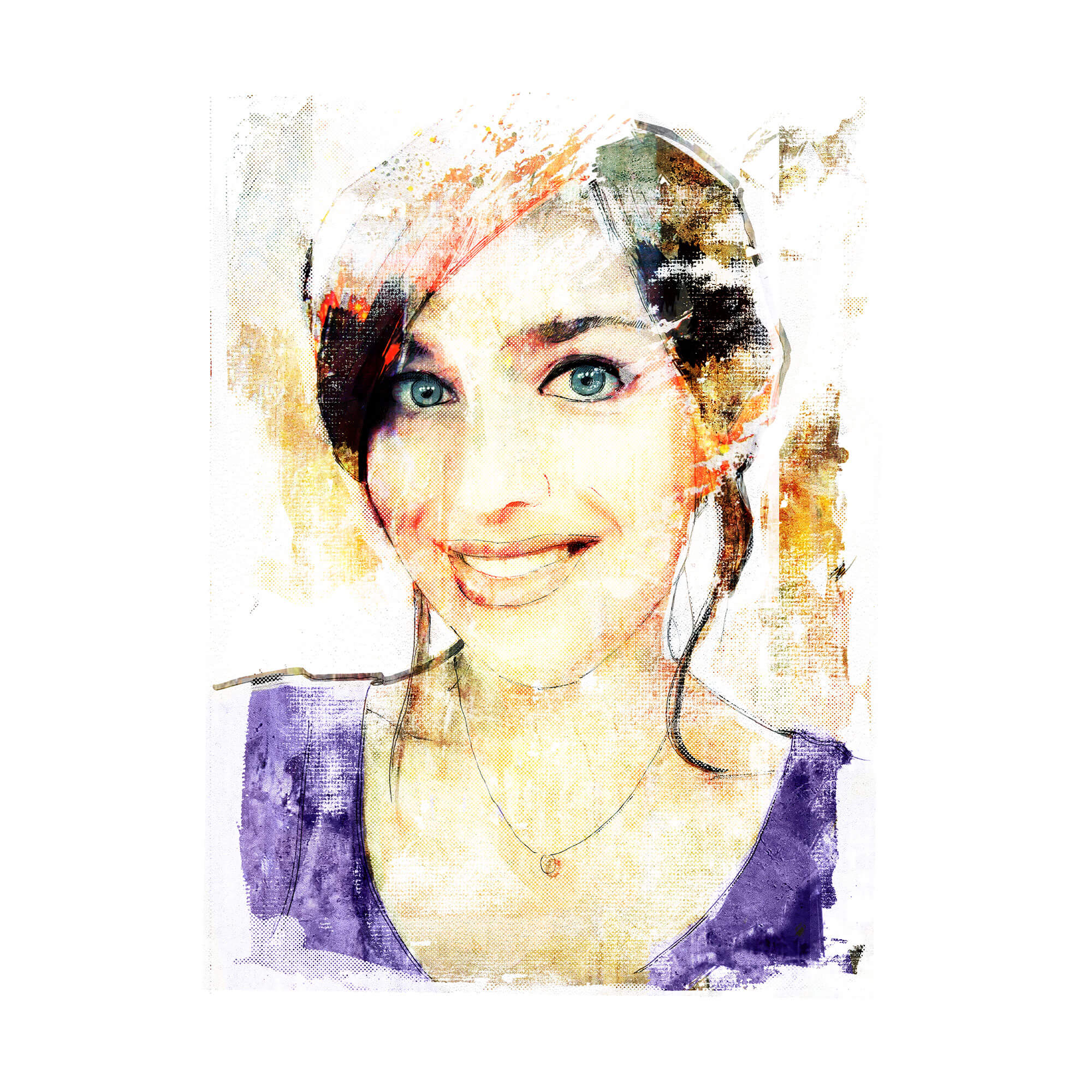
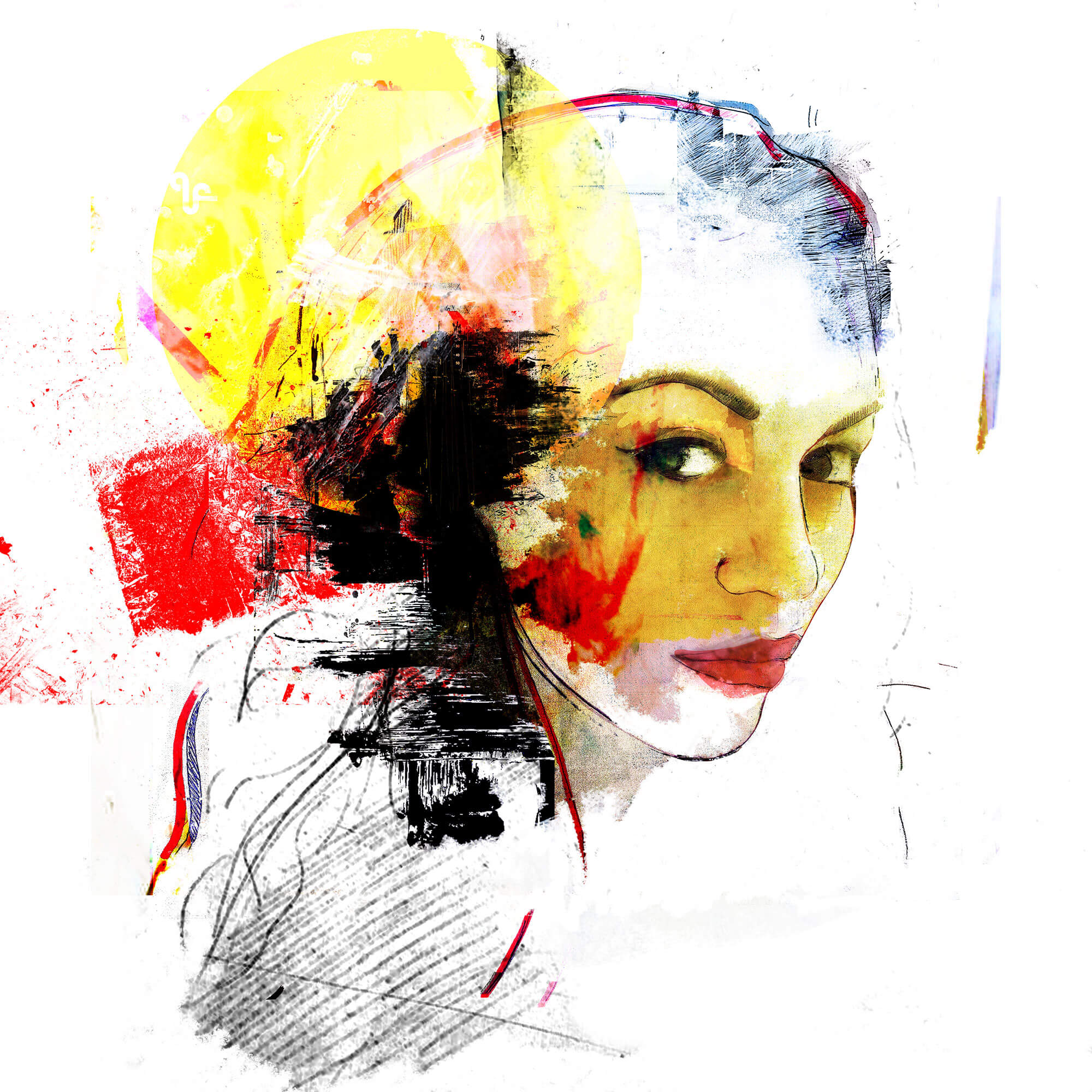
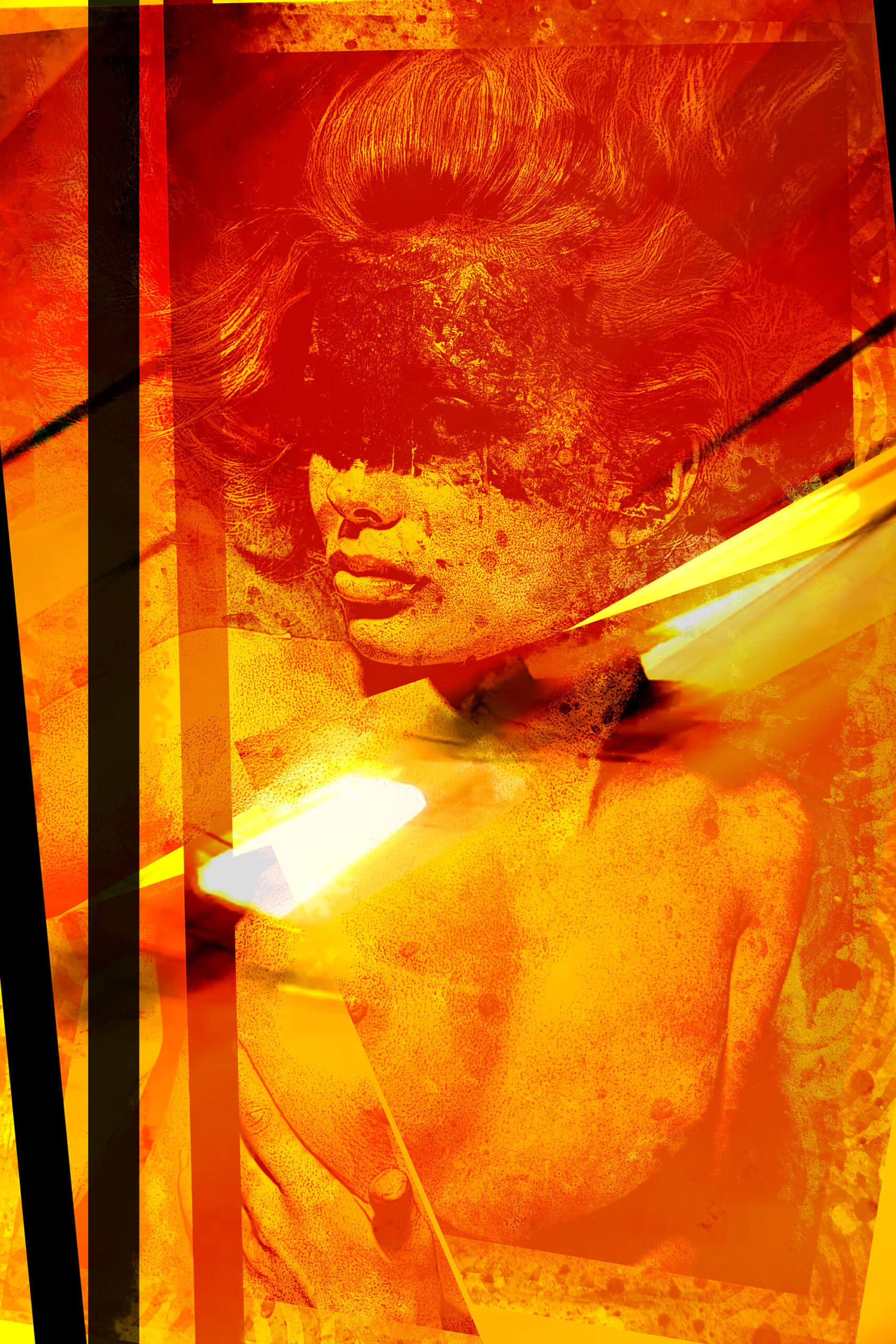
Appropriation art usually takes a recognisable object, text or image and re-contextualizes it. The Her Majesty anthology is composed through the skill of eye/hand co-ordination; the results of immediate copies of reality through the photographic and the scanned; through the physical and digital gestural interventions of colour; and through the simulations of scrubbing or mixing of paint. Such undertakings are kept in a ‘fresh’ state of flux through the integration of manual processes of painting, colouring and mark-making on the print, but also particularly through digital software. The digital paintings directly convey paradoxical messages of the sacred and the profane; intimacy and withdrawal; stillness and movement; aggression and playfulness; lust and spirituality. The colour palette is likewise contrasting from warm reddish oranges tones that are associated with passion and desire to monochromes that turn thrilling excitement into bitter loneliness and aching pain. The title itself is also very allusive and brings forth the themes of the feminine, power and subordination.

The gaze in these works does not seek the erotic as much as eros itself. The digital art works suggest that transcendence is only possible through the primitive instinctual bareness of the body. The desire for the flesh becomes a soulful yearning for the soul to meets itself through the other. In the liminal space of cyberspace a meditation on internet culled imagery of nude women is made. The artist goes into reverie as the Web helps him create his own altered sense of consciousness where he can tap into himself. The artist tries to gain some sort of control over a virtual landscape which seems to elude him. Appropriating found female anonymous images from the internet into elaborate evocative figures; he brings to life new images from images. This helps in closing off that sense of abjection and to make contact with the departed. Digital art becomes a mediumistic tool to seance with what is no longer present.

Note: This description was composed from the academic reviews by Dr. Vince Briffa and Dr. Laner Cassar

A soundscape created through the reading of some of the artist’s poems was created by SeeSaw Sounds to feature as a background element during the exhibition period. Readers were Yasmin Kuymizakis, Martha Vassallo and the artist himself. The complete production can be heard here.

An interview for Times of Malta by Iggy Fenech can be read here: All rise for Her Majesty
Fifteen

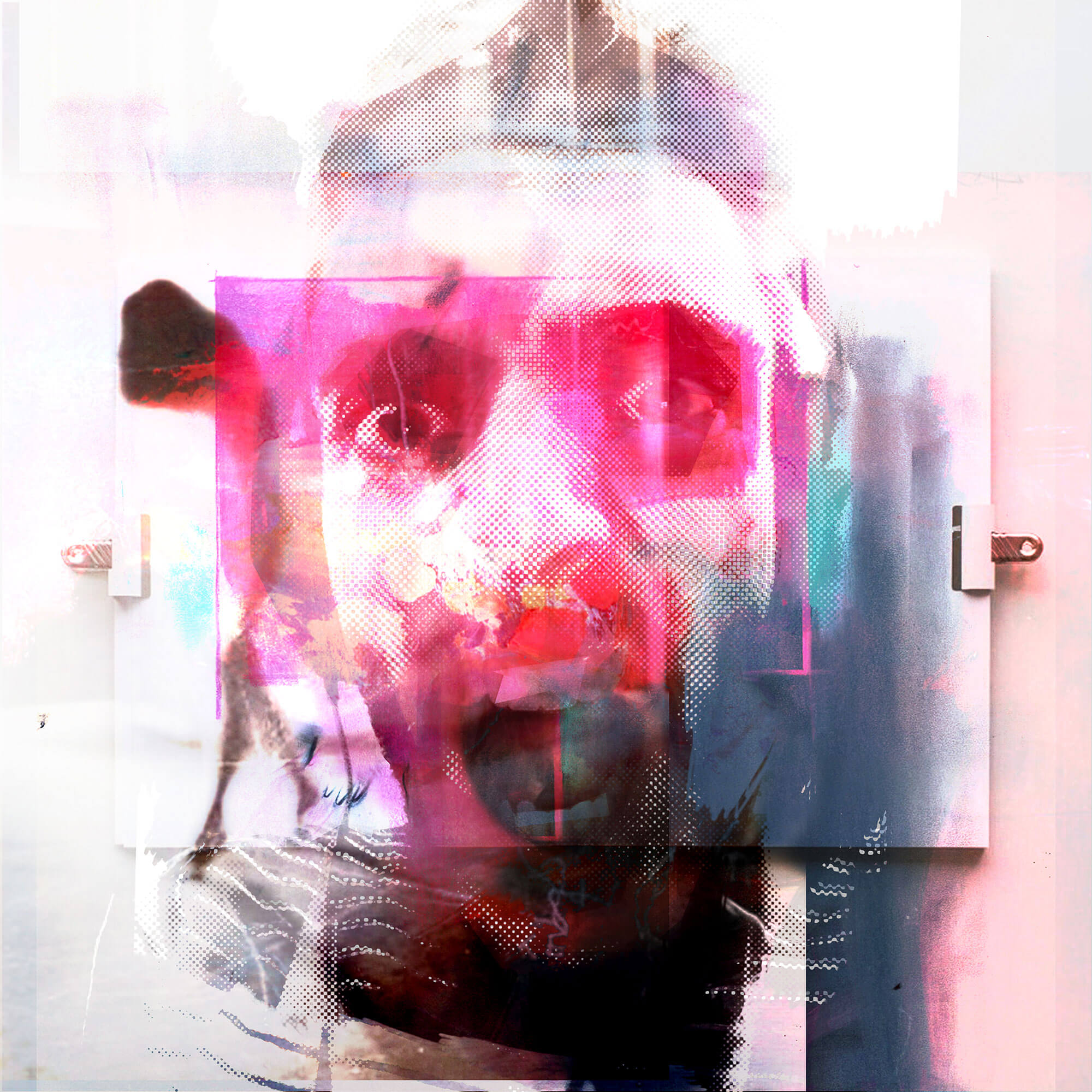
Each work is a contemplation about life, beginnings, ends and what’s in between.

Je suis

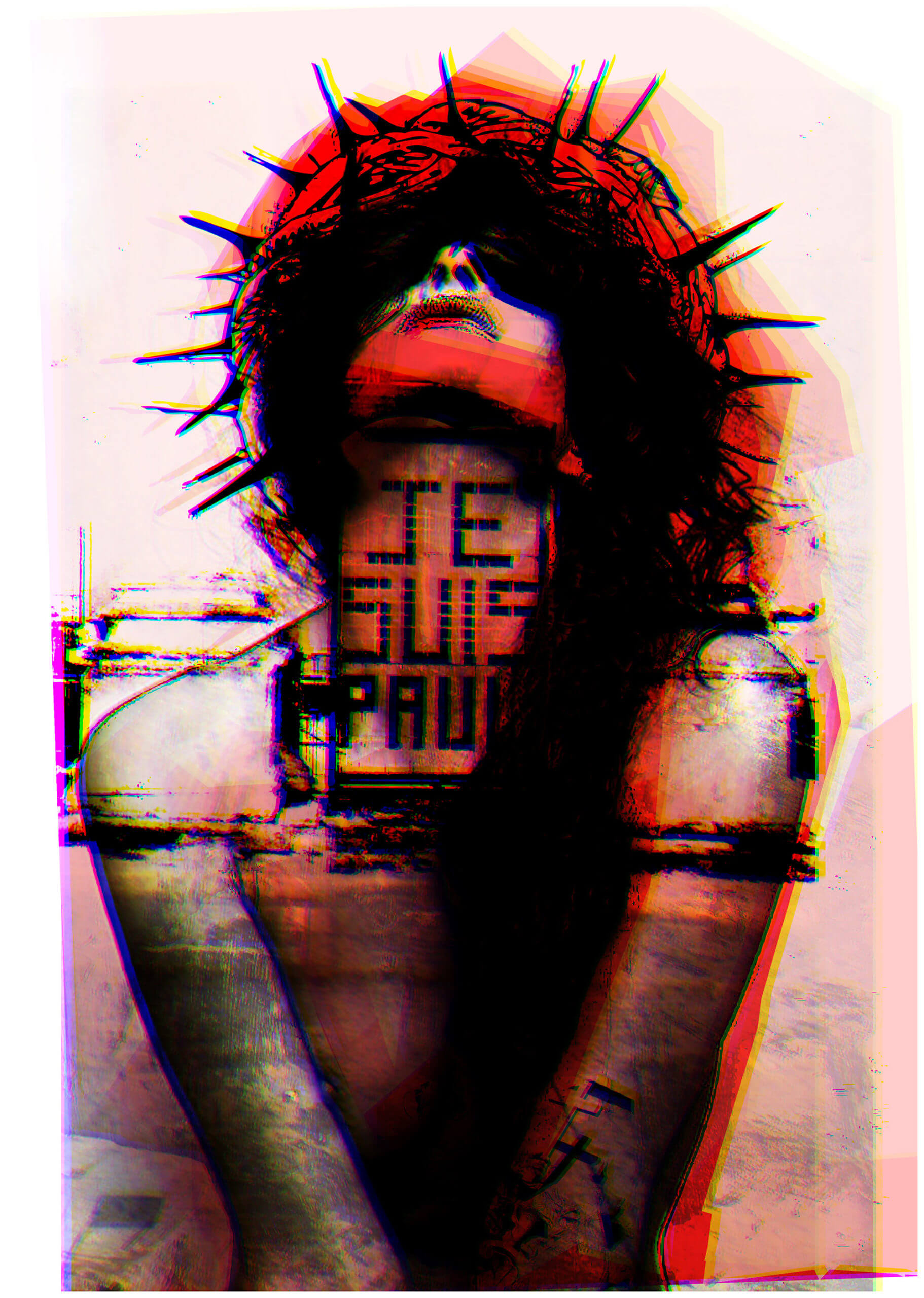
Je Suis is a compelling set of digital collages produced in February/March 2015 that invite viewers to explore the intersection of gender, identity, and spirituality through striking visual narratives. Three female figures take center stage in these thought-provoking compositions, each embodying a tragic iconography reminiscent of Christian rituals and symbolism.

The title “Ecce Homo” draws parallels to the solemnity of the Passion of Christ, prompting viewers to question the societal constructs that define and confine the individuals depicted. The use of Christian references, such as the crown of thorns, evokes themes of suffering and sacrifice, challenging the status quo behind the person being represented.

“Salve Regina” delves into the delicate balance between holiness and mundanity, questioning the notion of what makes someone holy or revered. The collages compel viewers to contemplate the standards and expectations imposed on individuals, particularly women, in society.

In “Je Suis Paul,” the artist’s personal crisis of identity takes center stage. By reclaiming his original legal name Paul, the artwork confronts the thorns that punctuate life’s journey, exploring the challenges of self-discovery and self-acceptance. It serves as a powerful reminder of the importance of introspection and authenticity in an ever-evolving world.

The triptych culminates in a forth piece: “Je Suis Pawlu,” a concluding self-portrait. The artist, wearing headphones and facing the viewer, invites us to reflect on our own identities and the need to listen to ourselves amidst the cacophony of external influences. It symbolizes the ongoing journey of self-discovery and the pursuit of a genuine sense of self.

Vorrei dire due parole

Inspired by Carmen Consoli’s evocative track “Vorrei Dire” from her debut album Due Parole, this portrait embodies a raw and urgent need to speak out and demand to be heard. Through its intense composition, the work captures the frustration and defiance that arise from being silenced or ignored. Reflecting both personal and universal struggles, the piece resonates with themes of resilience, voice, and the unyielding pursuit of expression, echoing my ongoing exploration of the human condition through digital manipulation and poetic visual language.

The Gingerbread Men

This installation features around 2,500 edible gingerbread men, each about 15 cm tall, inspired by the rebellious character in the 1875 tale “The Gingerbread Boy.” These gingerbread men, expected to be inanimate as dictated by their ingredients, become symbols of activism and defiance whilst occupying the gallery space. The dense arrangement of gingerbread men symbolises the collective power of individuals coming together. However, like the rebellious gingerbread boy who is ultimately consumed into oblivion by the cunning fox, the installation reflects not just on the opportunities provided by collectivity but also the potential perils of misplaced trust and support.

Additionally, the installation features a custom-built social media network titled Occupy, accessible publicly through an online URL which users can access via their mobile devices. Visitors are invited to pick and eat a gingerbread man, each packaged with a printed message and a link to the Occupy network. By doing so, the audience is encouraged to engage with both the physical and virtual aspects of the project, blurring the lines between personal and social spaces. This interaction also highlights how social media can act like the cunning fox, raising questions about the heightened or alienated awareness of people using social media.

“The Gingerbread Man” challenges participants to move beyond mere consumption of social media and actively contribute to a political discourse that underscores the potential of art and social media as drivers of social change. It presents an artistic choreography of assembly through social media—a reflection of reality in which people overcome personal boundaries, become aware of their circumstances, and take an active role in society. People join the movement or retreat: with each gingerbread man being consumed, visitors are left with a message in hand, thus raising questions about the consumption of social media and the consumption of our realities.

This project is an invitation to examine how art and social media intertwine to foster collective awareness and action, urging participants to consider their roles in the digital and physical worlds.

“The Gingerbread Man” is a visual project which Pawlu Mizzi conceived to conclude his Master of Fine Arts in Digital Media research exploring how social media can serve as a tool and space for art to drive social narratives.

Portrait of Enrique’

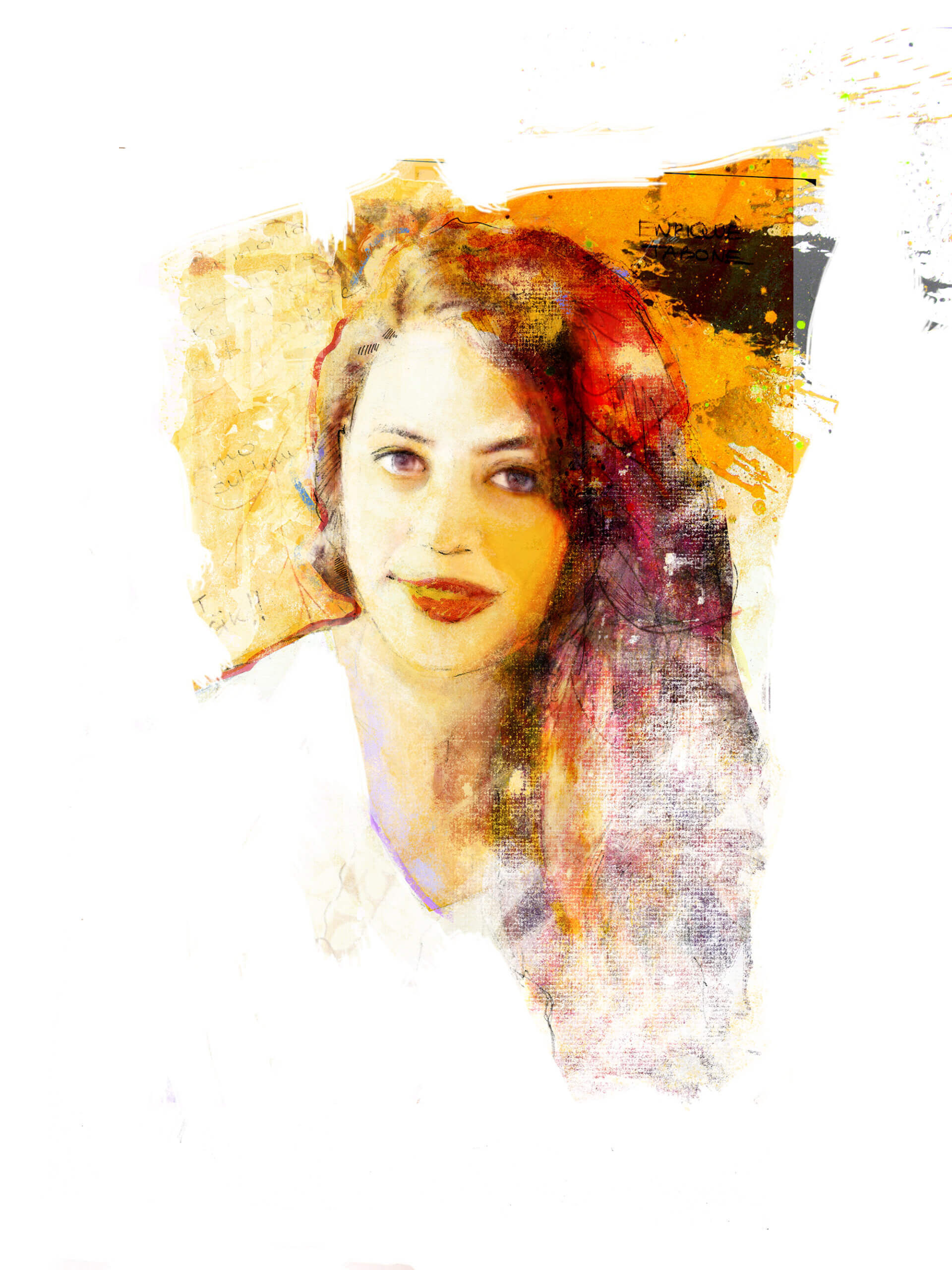
A digital portrait of Enrique’ Tabone of Qormi, artist and designer.

It featured in the first “The National Portrait Gallery Of Malta” (ISBN 9-789995-737122) published by Nicholas De Piro.

Il-Qasma Soċjali

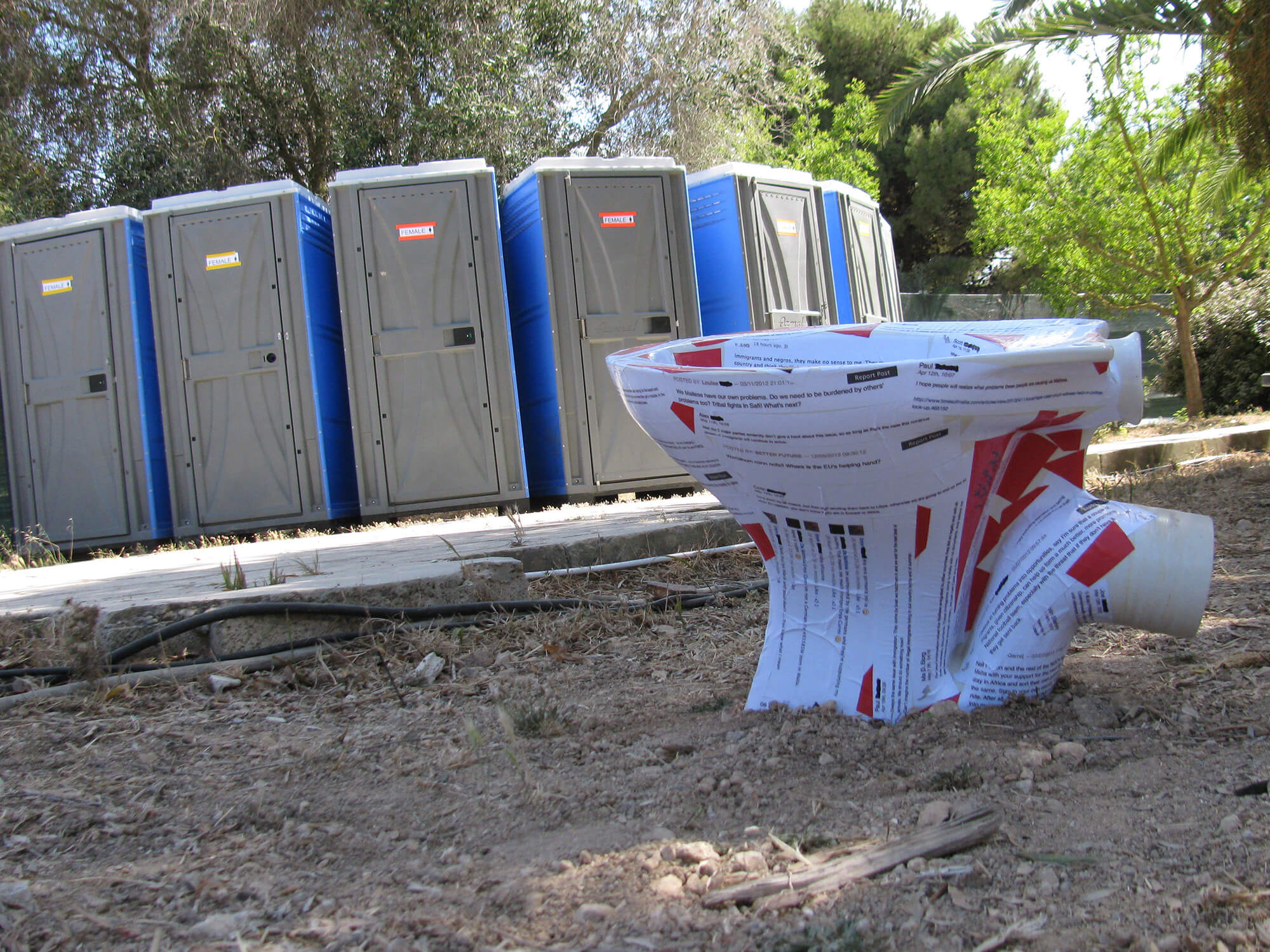
Il-Qasma Soċjali is presented not merely as an object but as a site-specific intervention within a lived social environment. The placement of the ceramic toilet outdoors, visually echoed by the row of portable chemical toilets in the background, establishes a deliberate correspondence between sanitation infrastructure and social regulation. This juxtaposition collapses distinctions between systems designed to manage physical waste and those that implicitly manage social “undesirables”, suggesting that xenophobic discourse itself operates as a form of refuse: produced collectively, normalised through repetition, and quietly displaced from ethical scrutiny.

The toilet’s surface, wrapped in printed comments sourced from Facebook, functions simultaneously as archive and indictment. Removed from their original digital context and re-materialised as sculptural skin, these fragments of online speech convert ephemeral hostility into durable form. In this translation from screen to object, the work exposes how casual expressions of racism and exclusion, typically dispersed and anonymised within networked environments, coalesce into a legible ideological mass when physically assembled. The toilet thus becomes a vessel not for bodily waste, but for ideological waste: a container for sentiments deemed unfit for public moral space, yet paradoxically generated within it.

The work’s dialogue with Marcel Duchamp is articulated through both homage and inversion. Where Duchamp displaced an industrial urinal into the gallery to destabilise aesthetic hierarchies, Il-Qasma Soċjali relocates the readymade gesture into the civic sphere, re-inscribing it with political urgency. Authorship under the pseudonym “ARMAT” further intensifies this gesture. While its phonetic echo of “R. Mutt” situates the work within a lineage of institutional critique, the Maltese meaning of “equipped” or “armed” implies that language itself has become weaponised within contemporary discourse.

The double entendre embedded in the title deepens this strategy. While translating as The Social Divide, it simultaneously invokes a vulgar Maltese term associated with bowel incontinence. In aligning political fracture with bodily dysfunction, the work collapses abstract debate into visceral corporeality. Immigration anxiety is reframed not as a rational policy dispute but as an involuntary expulsion—an abject reaction rooted in fear and disgust. This metaphor implicates the body politic itself: the inability to “contain” difference becomes symptomatic of a society that has lost ethical continence.

Collective authorship under the name Nagħaġ (Sheep) introduces a further layer of reflexivity. The self-designation evokes herd mentality and uncritical repetition, implicating both the producers and the public within systems of conformity and complicity. Presented within the context of the Earth Garden Festival, a space associated with communal values and ecological awareness, the work acquires an additional tension between ideals of harmony and the latent aggression embedded in popular discourse.

Ultimately, Il-Qasma Soċjali operates as a sculptural condensation of digital xenophobia. By transforming disembodied text into abject form and situating the readymade within a specific Maltese socio-political context, the work renders invisible attitudes materially present. Its critical force lies less in provocation than in translation: exposing how exclusionary ideologies circulate as both waste and weapon within contemporary civic life.

Il-Qasma Soċjali was part of a collective artistic effort by Darren Tanti, Chris Castillo, Keith Bonnici, and Pawlu Mizzi, under the pseudonym Nagħaġ (Sheep), for the 2013 Earth Garden Festival.

The Facebook Portrait Project

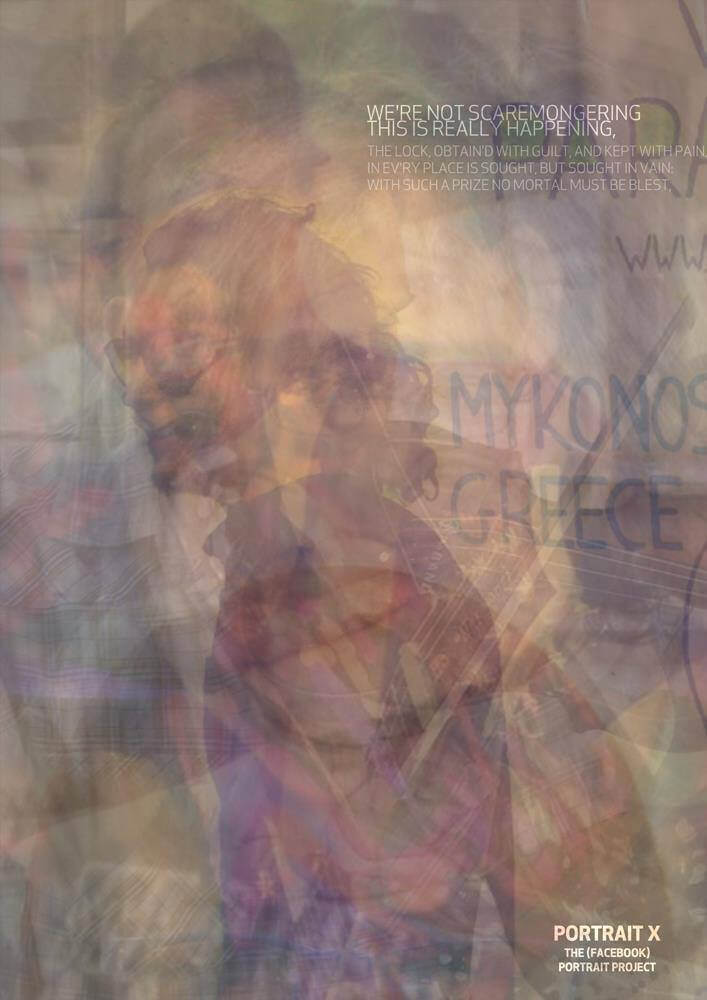
The (Facebook) Portrait Project was a contemporary art project which made part of research for an MA of Fine Arts in Digital Media at the University of Malta. It investigated the nature of personal and collective identity, gender equality and how we associate ourselves through contemporary depictions of a collective profile picture. One inspiring theme was Virilio’s statement about the “loss of human essence and a disintegration of a whole unity through technological development”.

The project consisted of a now defunct Facebook group in which users who joined were automatically taking part in a social exercise of portrait creation by becoming one ‘layer’ of a portrait. Each of the final thirteen portraits was made up through a digital combination of ten profile pictures of 10 consecutive joining members. Participants were tagged on their respective portrait and asked to share their reactions.

The study researched the aura of the portrait through a social media context were identity is very much blurred into a myriad of images and texts. This continuous bombardament leads us to ‘make up’ our own understanding of identity and the blurred boundaries of individuality.