Project Category: Graphic Art

Consumatum Est

The Catholic religion and its traditions still hold a strong influence over the majority of the Maltese population. On Maundy Thursday and Good Friday, large numbers of people flock to Valletta to witness, partake in, or simply be a part of the various rituals that unfold. During these days, individuals engage in prayers, visit themed exhibitions, and collect holy pictures, while a procession of participants dressed in Biblical costumes, accompanied by brass bands and individuals carrying statues representing different stages of Christ’s suffering, make their way through the crowds.

“Consumatum Est,” featured a digitally manipulated holy picture portraying the lifeless body of Christ affixed to a tower crane shaped like a crucifix. In recent years, tower cranes have become a ubiquitous presence in the Maltese landscape, viewed by protesters as symbols of destruction. The framed picture was prominently displayed in a window at a local grocery shop on Archbishop Street in Valletta. Unveiled on the morning of Thursday, April 18, 2019, it enticed passersby to pause and contemplate what initially appeared to be a conventional sacred image.

However, beyond the religious rituals and artistic interpretations, a deeper message resonates. The installation symbolically highlights the detrimental consequences of unchecked environmental exploitation, resource exhaustion, and land abuse. These issues have plagued the country for far too long, leaving both the nation and the quality of life metaphorically “nailed to death.”

Through the juxtaposition of religious symbolism and the towering presence of the cranes, “Consumatum Est” prompted viewers to reflect on the urgent need for responsible stewardship of our environment. It drew attention to the consequences of our actions, emphasizing that our unchecked consumption and disregard for sustainability have dire implications for our society.

Heartfelt gratitude goes to the Spanish sculptor, Juan Bautista, for generously permitting the reinterpretation of his sculpture for this purpose. A word of appreciation also goes to Sunny Psaila, who graciously offered his shop window as a space for the installation. Additionally, many thanks go to the talented photographer, Carl Farrugia, who skillfully captured the setup through his lenses, immortalizing it for posterity.
 

Lettere series

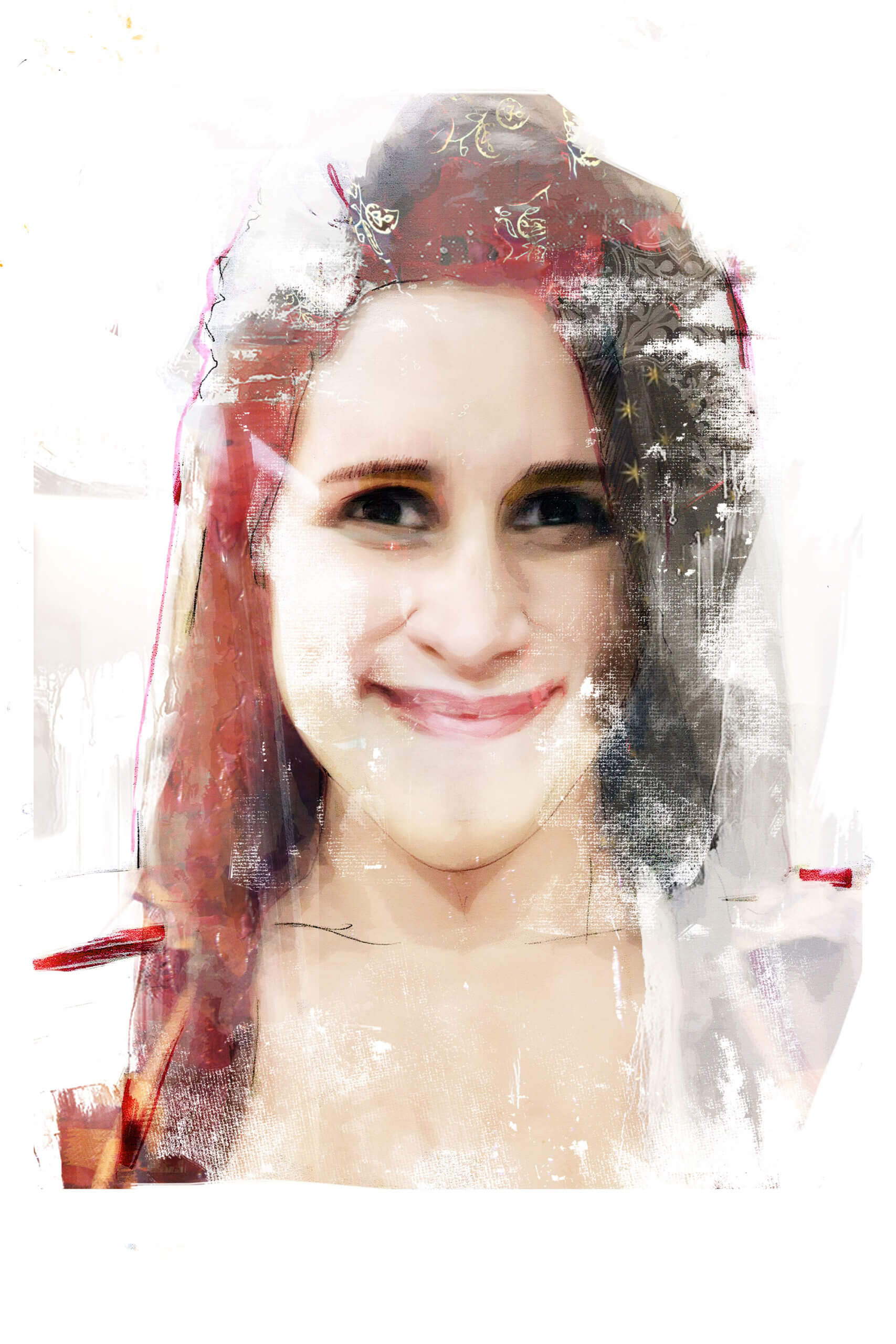
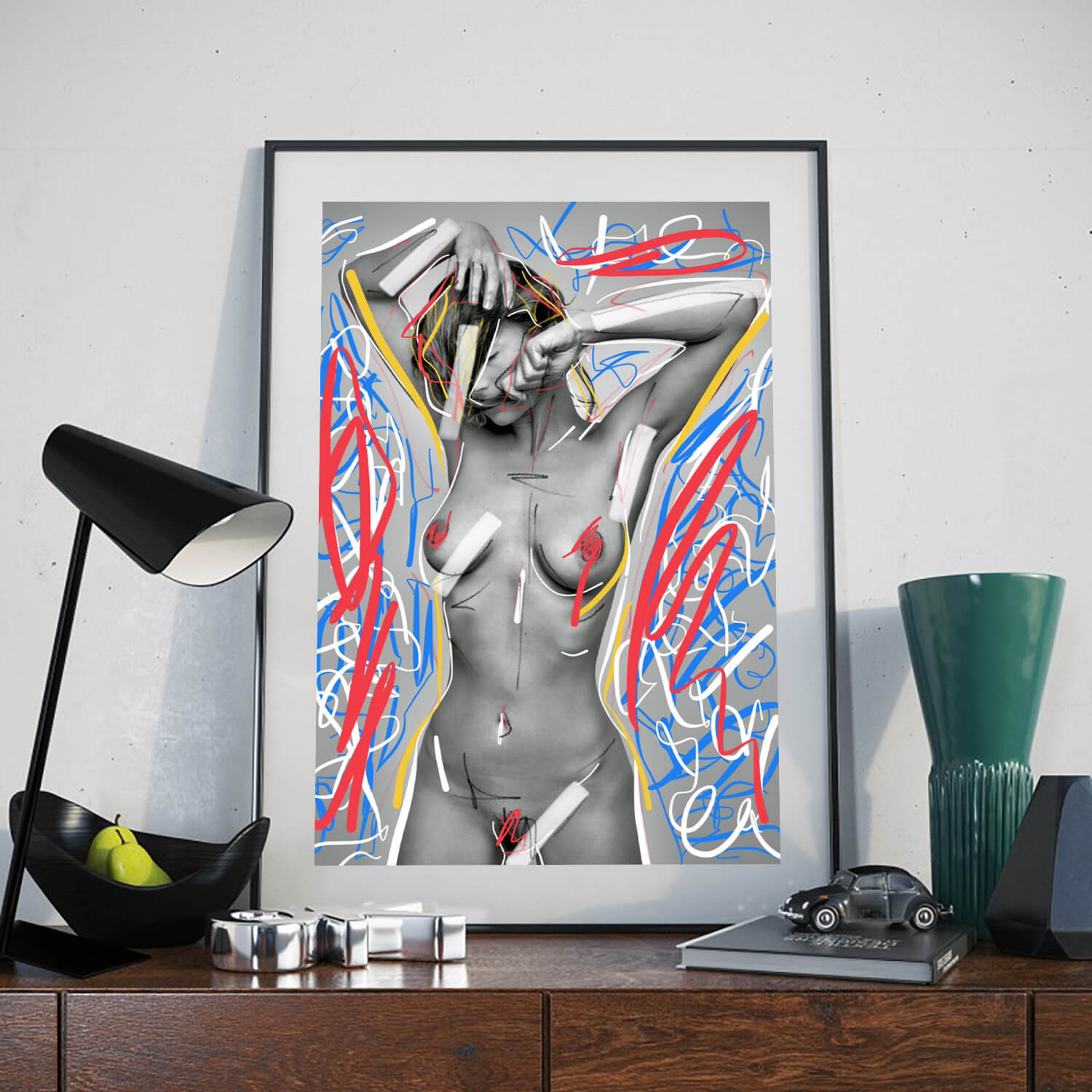
Embarking on the endeavor of composing a letter, aiming to unravel the profound layers of our inner selves. Lettere stands as a collection of four repurposed digital images, representing an ongoing exploration of the anima. This journey is intricately tied to the challenge faced by men in understanding and connecting with the evolving feminine aspect within themselves—a challenge that inevitably surfaces at various junctures in their life’s journey. This exploration involves a deliberate exercise in active imagination, challenging and transcending the conventional notion of the male gaze as an ego-driven act of objectification.

In Lettere, the creative process becomes a profound reflection on the intricate dance between the masculine and feminine within, offering an alternative narrative that goes against the standard grain of the male gaze. Instead of perpetuating an abusing ego, these reimagined images foster a more empathetic and nuanced connection with the feminine, shedding light on its multifaceted nature. The photographic canvas undergoes a metamorphosis, transforming the ordinary into captivating visual narratives that mirror the complexities of the inner self.

In essence, Lettere becomes a testament to the transformative power of artistic expression, challenging preconceptions and fostering a rich tapestry of visual storytelling that celebrates the harmonious interplay of diverse aspects within the human psyche.

La Metro series

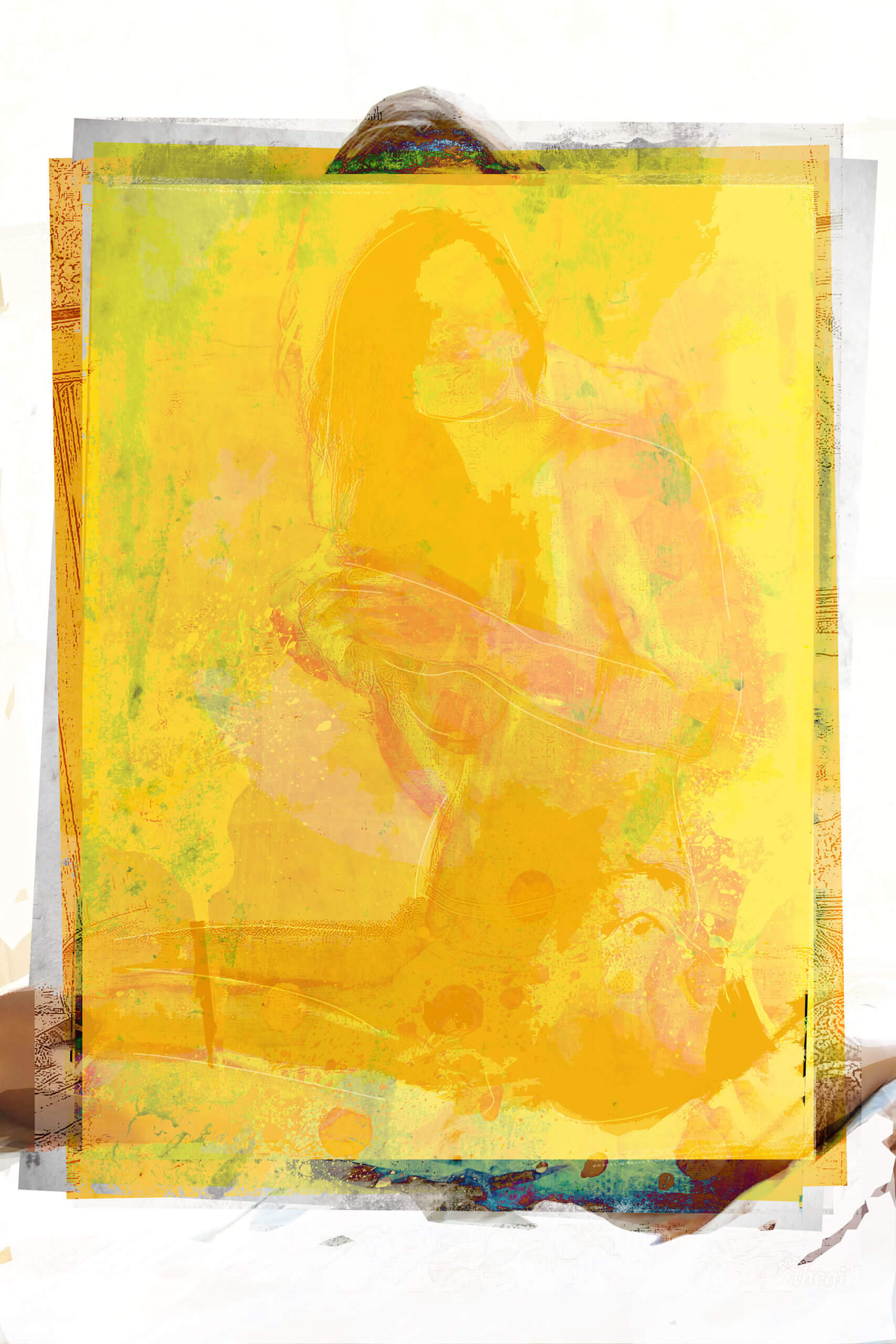
The La Metro series unfolds with three found photographs that have undergone reinterpretation, inspired by the dynamic interplay of graphical spatial movement. This concept seamlessly evolves into a dynamic form of action painting, characterised by a spontaneous and improvisational process.

Within this creative journey, there exists a nuanced interplay between the painted elements and the central figures within the found photographs, considering aspects such as colour, stroke thickness, and overall colour contrasts. The outcome is a harmonious convergence, giving rise to a balanced and captivating sense of movement.

In the exploration of this artistic odyssey, a fusion of intuition and deliberate choices results in an intricate dance of visual elements that captivates the observer. This narrative transcends the confines of the conventional male gaze, introducing the concept of a “new diva” that celebrates a profound understanding of the feminine spirit.

Two of the images boldly portray a nude figure, capturing the essence of vulnerability and authenticity. This choice is intentional, presenting a raw and unfiltered representation that allows the viewer to connect with the unadorned beauty of the human form. In contrast, the third image features a woman adorned in a black top against a sun-bright yellow background. This deliberate juxtaposition creates a powerful visual contrast, symbolising the interplay between light and shadow, strength and vulnerability.

The La Metro series strategically emphasises the empowerment and celebration of the feminine spirit, crafting a narrative that transcends traditional aesthetics to embrace a fresh and captivating perspective. The carefully selected wardrobe and background choices serve as deliberate expressions of the multifaceted nature of the “new diva” concept, highlighting both resilience and grace within the visual narrative.

Ed e’ quasi come essere felice

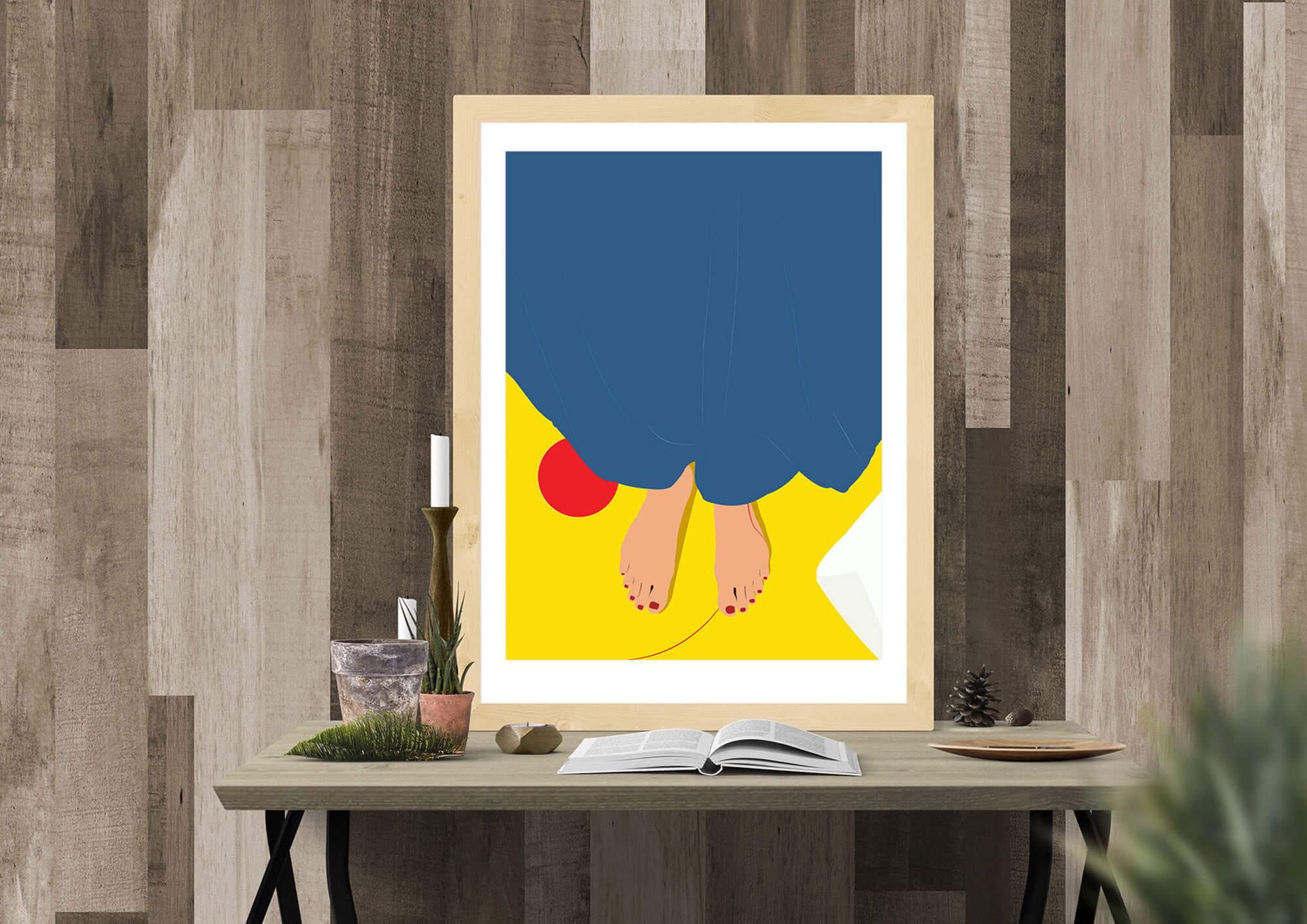
This vector artwork presents a close-up of an anonymous woman in a bathrobe, symbolising comfort and suggesting a private and safe space for relaxation.

Attention is drawn to her cleavage in a subtle yet deliberate manner, highlighting femininity and quiet confidence. A red string in her left hand references the Red String of Fate from Chinese folklore, representing destined connections that transcend time and place. This element introduces themes of fate and human relationships.

A black hairband encircles her left palm, implying she is about to tie her hair; an understated detail that adds depth to the scene. The contrast between the red string and hairband suggests a duality between external connections and personal rituals.

Created using vector techniques, the piece features precise lines and vibrant colours, enhancing its visual clarity. Originally part of the Kobba creative phase, it was ultimately excluded from the final curated set. Reflecting Kobba’s themes, it explores impermanence, stability, and the possibilities found in the connections we build with ourselves and others.

Vacuum

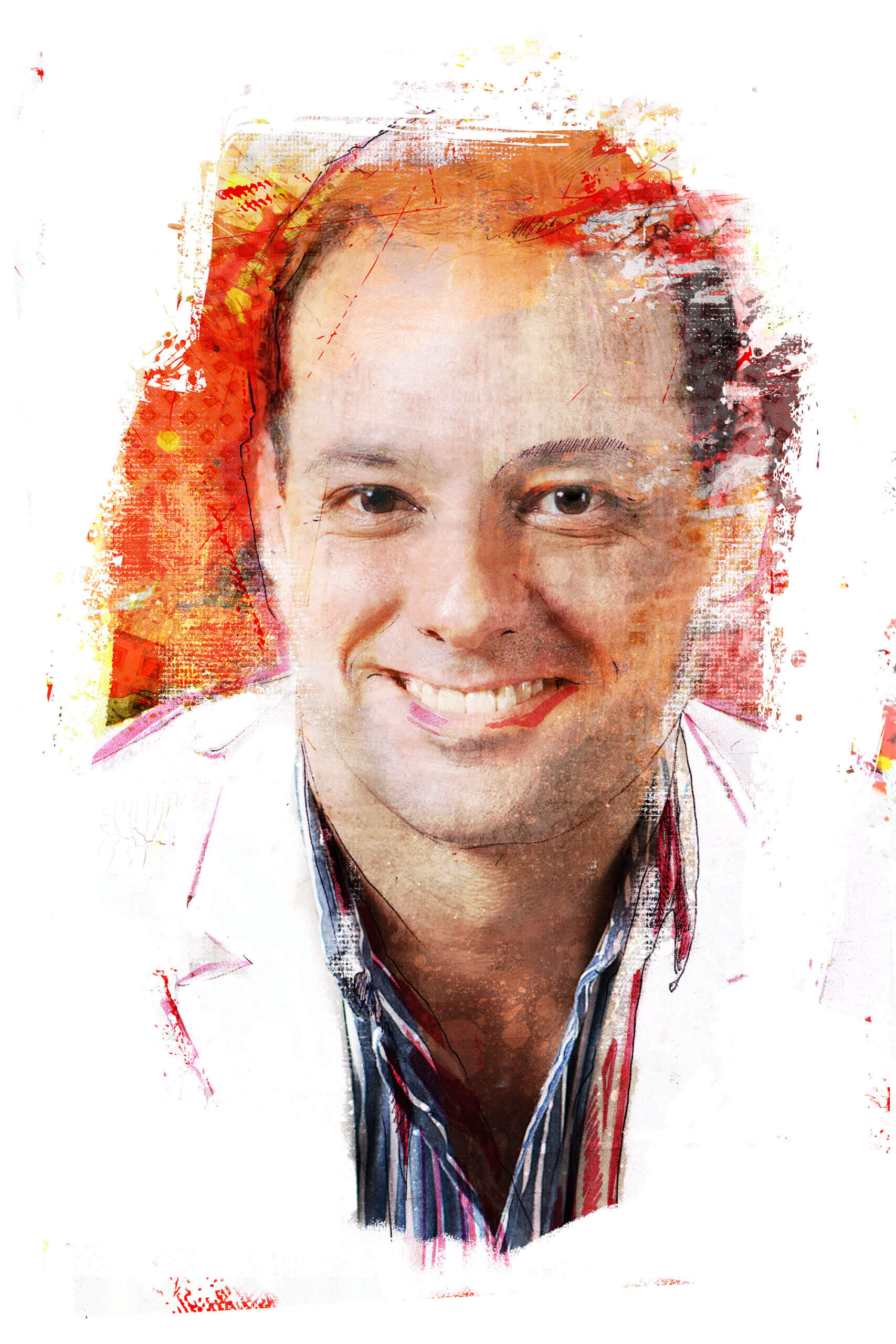
Portrait of Jason

Portrait of Jason is a commissioned portrait of Jason Micallef of Mosta, chairman of the Valletta 2018 Foundation. The artwork was commissioned as a collective Christmas gift by a number of employees at the Foundation in 2017.

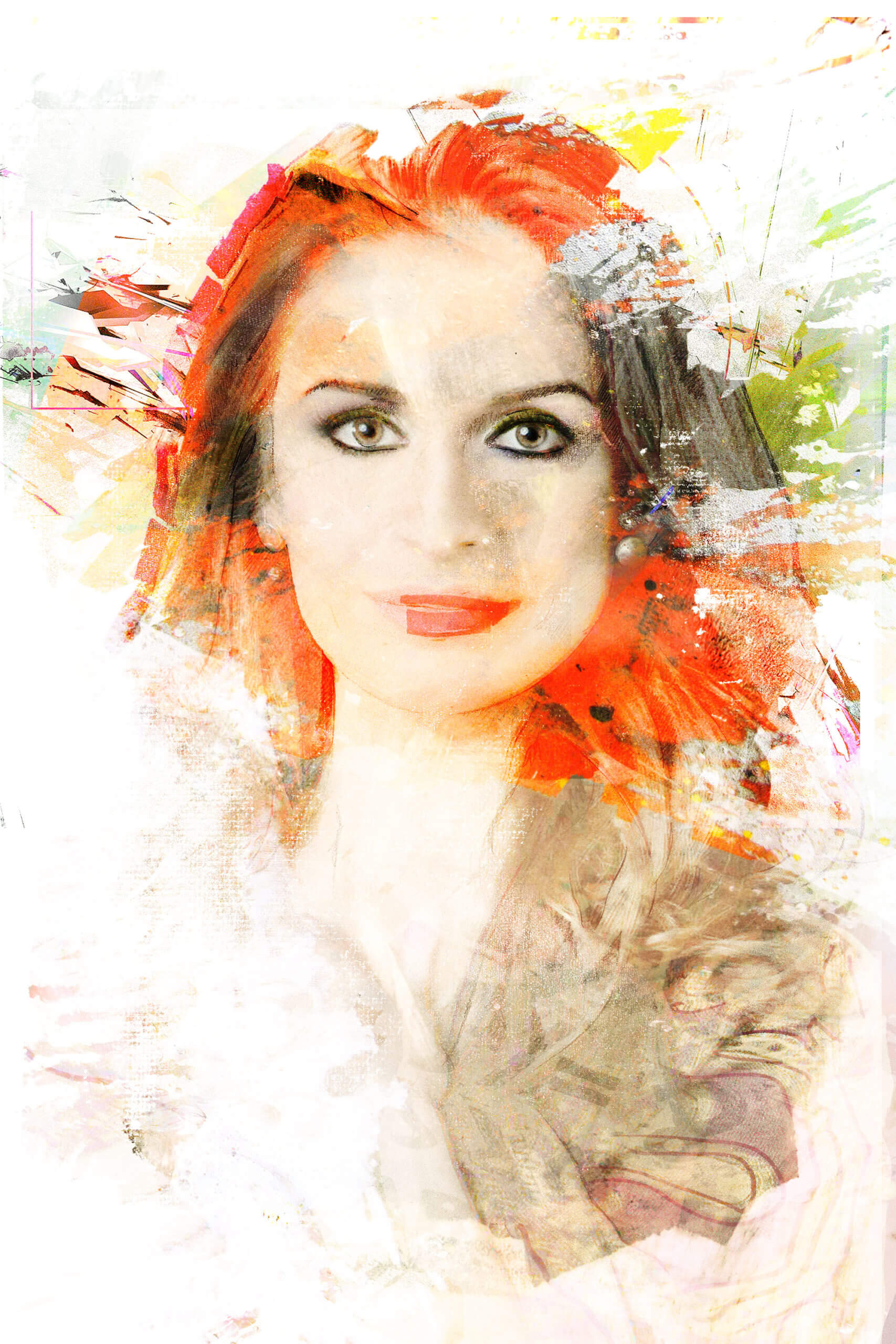
Portrait of Catherine

Portrait of Catherine is a commissioned portrait of Catherine Tabone of Zejtun, executive director of the Valletta 2018 Foundation. The artwork was commissioned as a collective Christmas gift by a number of employees at the Foundation in 2017.

The work involved working through digital collage, brush work and editing as shown in an experimental portrait that was documented in the process.

Ubriaco

This work was initially part of the Kobba creative phase but was left out of the final collection.

In line with the Kobba theme, this artwork focuses on a connecting red thread being stamped upon by the figure in subject. The helpless viewer in close proximity watches over, questions and contemplates this gesture in a state of drunkenness.

The title of the work refers to a song by Diodato.

Għinni Narma Krejn

In 2016, Pawlu Mizzi presented this thought-provoking digital manipulation that captured the shifting reality of Malta’s urban landscape. The work reimagined a vintage statue of an altar boy, a familiar sight at the entrance of YTC Travel Malta in Merchants Street, Valletta. The physical statue bears the inscription “Għinni nsir qassis” (Help me become a priest), a plea for donations to support young men in their studies for the priesthood, symbolising the island’s culture rooted in spiritual and educational values.

However, Mizzi’s manipulation altered the narrative profoundly. By replacing the inscription with “Għinni narma krejn” (Help me set up a crane), he drew attention to the escalating construction boom that was transforming Malta’s skyline. This shift from a spiritual appeal to an industrial one starkly highlighted how the island’s priorities had changed. Malta, once characterised by its religious heritage and rural charm, was rapidly becoming dominated by cranes, concrete, and the steady erosion of its natural and cultural landscapes.

The reworked statue became a powerful metaphor for the country’s transformation, where economic progress seemed to come at the cost of its identity. Mizzi’s manipulation did more than critique the visible changes to the physical environment—it aimed as a reflection on the social and cultural implications of such development. As the cranes multiplied and construction projects expanded, the very essence of what it meant to be Maltese was being questioned. The rural beauty and architectural heritage that had defined the island were under siege, replaced by a relentless focus on urbanisation.

This digital manipulation, shared on Facebook, urged viewers to contemplate the consequences of unchecked development. The altar boy, once a figure of spiritual aspiration, now symbolised the island’s pivot towards economic gain, with its inevitable toll on the environment and heritage. A sharp commentary on the fragile balance between modernisation and preservation.

The piece remains as relevant today as it was when it was created. In the years since its unveiling, Malta has seen even more rapid expansion, with the construction boom showing no signs of abating. The once-green spaces of the island have been replaced by buildings, and cranes still loom large over both rural and urban landscapes. The concerns that Mizzi raised in 2016 have only intensified, making the work a prescient and enduring reminder of the need to reflect on the true cost of progress.

Pawlu Mizzi’s manipulation resonates because it encapsulates the tensions that Malta continues to face. His work questions whether the island is willing to sacrifice its unique cultural identity and natural beauty for short-term economic gain. While development is an inevitable aspect of any modern society, Mizzi’s art asks us to consider the consequences of losing sight of the very things that make Malta distinctive. It calls for a more thoughtful approach, one that prioritises the protection of both heritage and environment alongside progress.

Even after almost a decade, this digital manipulation challenges audiences to reflect on the island’s trajectory. It remains a call for consciousness about the fragility of the country’s identity in the face of relentless development.