Prof. Ġorġ Mallia’s public legacy was well established: a leading figure in Maltese media and communication, a scholar of graphic narratives, an illustrator, and a cultural contributor whose work spanned decades. Yet for those who knew him personally, his influence lived in conversations, small gestures, and the quiet and consistent ways he supported the people around him. Today I tried to collect some of my memories of him.
I first encountered him as a lecturer at the University of Malta in 2011. Animated and expressive, often standing while he spoke, his hands moved as though the ideas themselves needed as much space to breathe as the words he uttered. I remember his critiques during Presentation Techniques, when we had to present our work in front of a full theatre and then listen to his reviews. His lectures arrived in great waves of information. He would promise to bring comic samples and books, and sure enough, by the next session he would appear carrying a bag full of them for us to pass around. His passion for comics was unmistakable; he treated the medium as a sophisticated form of communication and took genuine pleasure in introducing his students to the work of fellow Maltese artists, such as Joe Farrugia “Spider”.
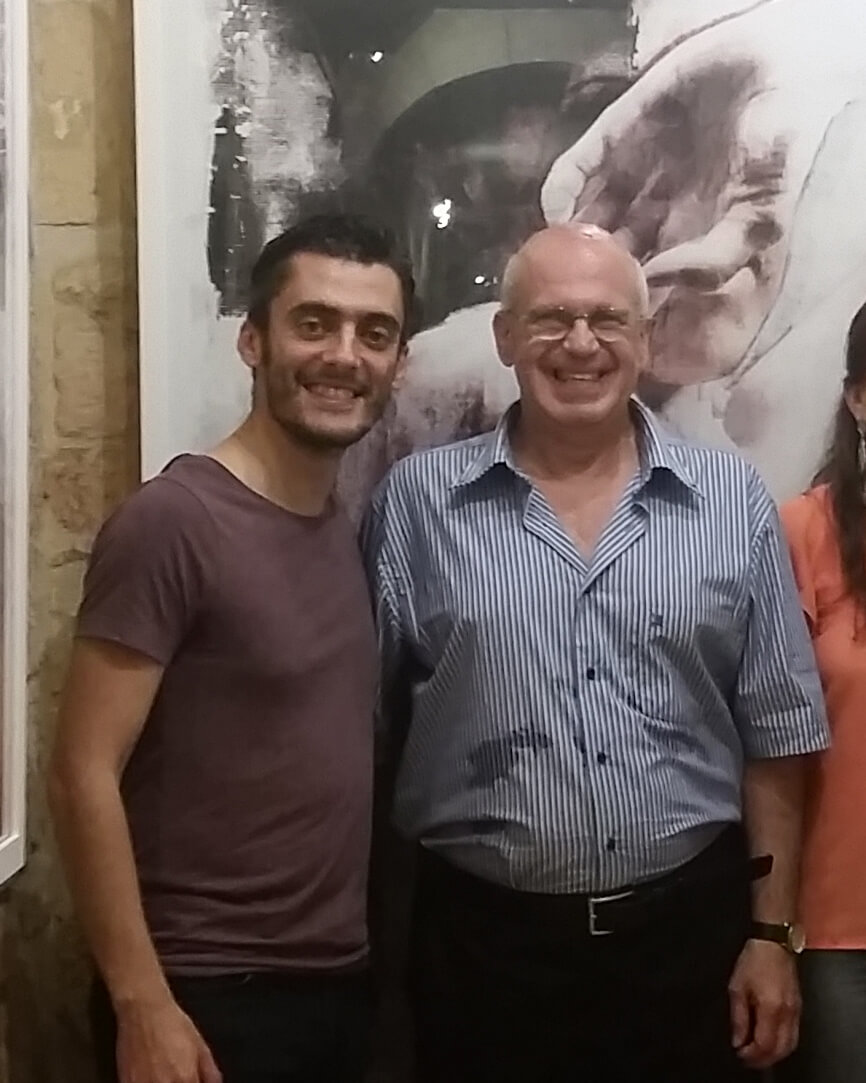
In July 1, 2015 he visited my exhibition Her Majesty in Valletta after some days earlier he had mistakenly gone to the Archbishop Palace, then rushing to the proper venue and realising it was closed.
Ġorġ didn’t only inhabit his academic and comic worlds; he was deeply engaged with politics and with how the country was shaping itself over the years. Because my own university research touched on political themes, we often found ourselves discussing a range of issues. For a long time he assumed I was a Labourite, and he was visibly cautious or drop a disclaimenr whenever the conversation drifted towards politics. I used to reassure him that I had no allegiance to any party and that he could speak freely, without reservation. Over time, our conversations shifted gradually from the academic to the personal. Ġorġ trusted me with his disappointments, from being removed as Chairman of the National Book Council in 2013 to, later, confiding in June 2019 that he was heartbroken after a very difficult breakup.
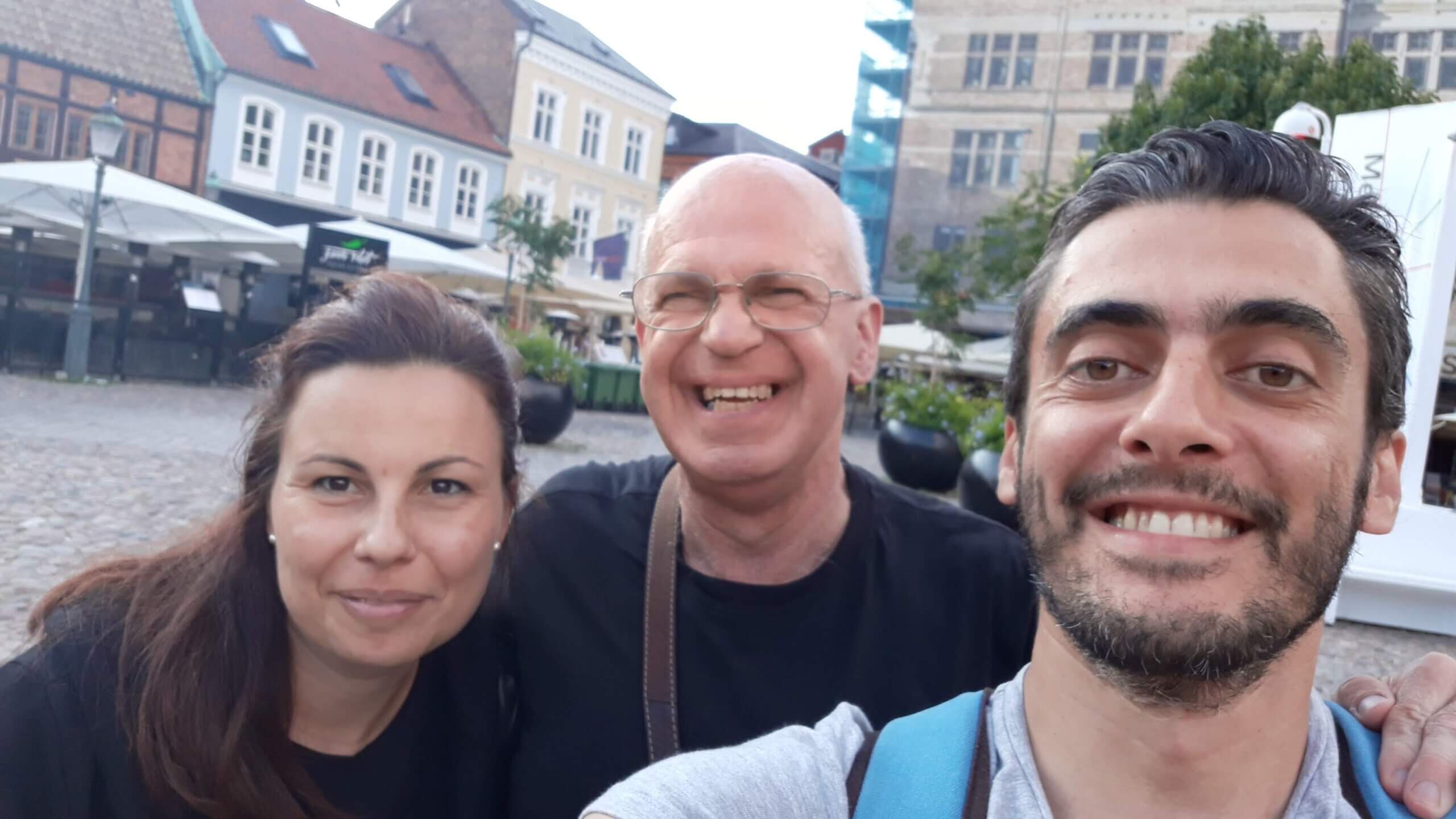
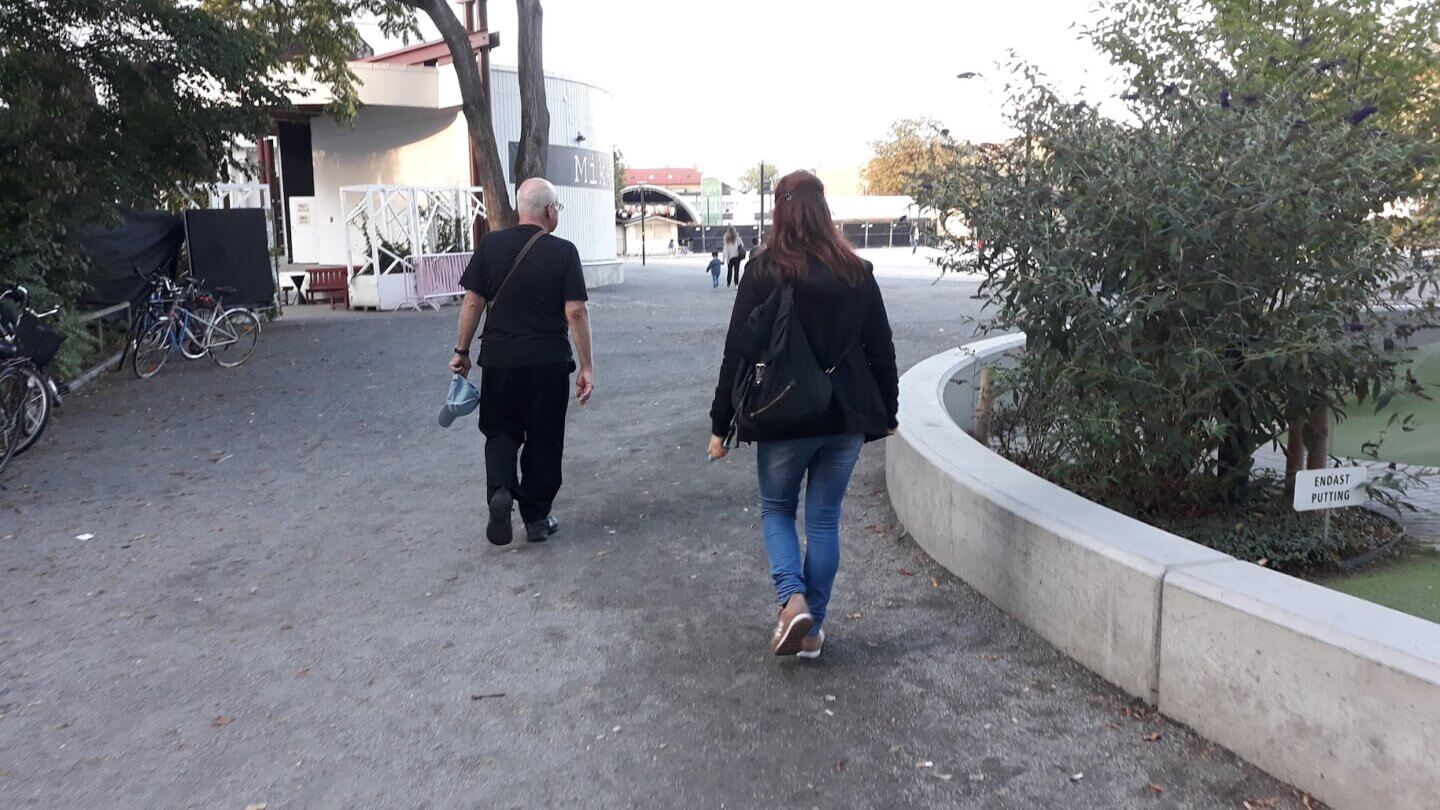
When I travelled to Copenhagen in 2018 and let him know I intended to pop over to Malmö, where he kept a second home, he was genuinely thrilled, and we quickly arranged to meet. Before walking us to his place, he made sure to give us a brief tour of the neighbourhood. Welcoming me and my colleague in such a simple, genuine way revealed his humbleness. In that moment, he made me feel genuinely happy.
Later in 2019, he invited me to a Christmas gathering at his home in Malta. I didn’t go as I was going through a difficult period myself and preferred to stay in. He later told me I would have enjoyed the 12-hour celebration. It remains a small regret that will linger.
There were a few things I was never particularly keen on about him: his obituary portraits, his never‑ending elegies for every visual art exhibition he attended, even the poor ones and the way he, at his age, exposed his sentimental pains on a toxic platform like Facebook. But that was Ġorġ, instinctive, forever praising, and transparent.
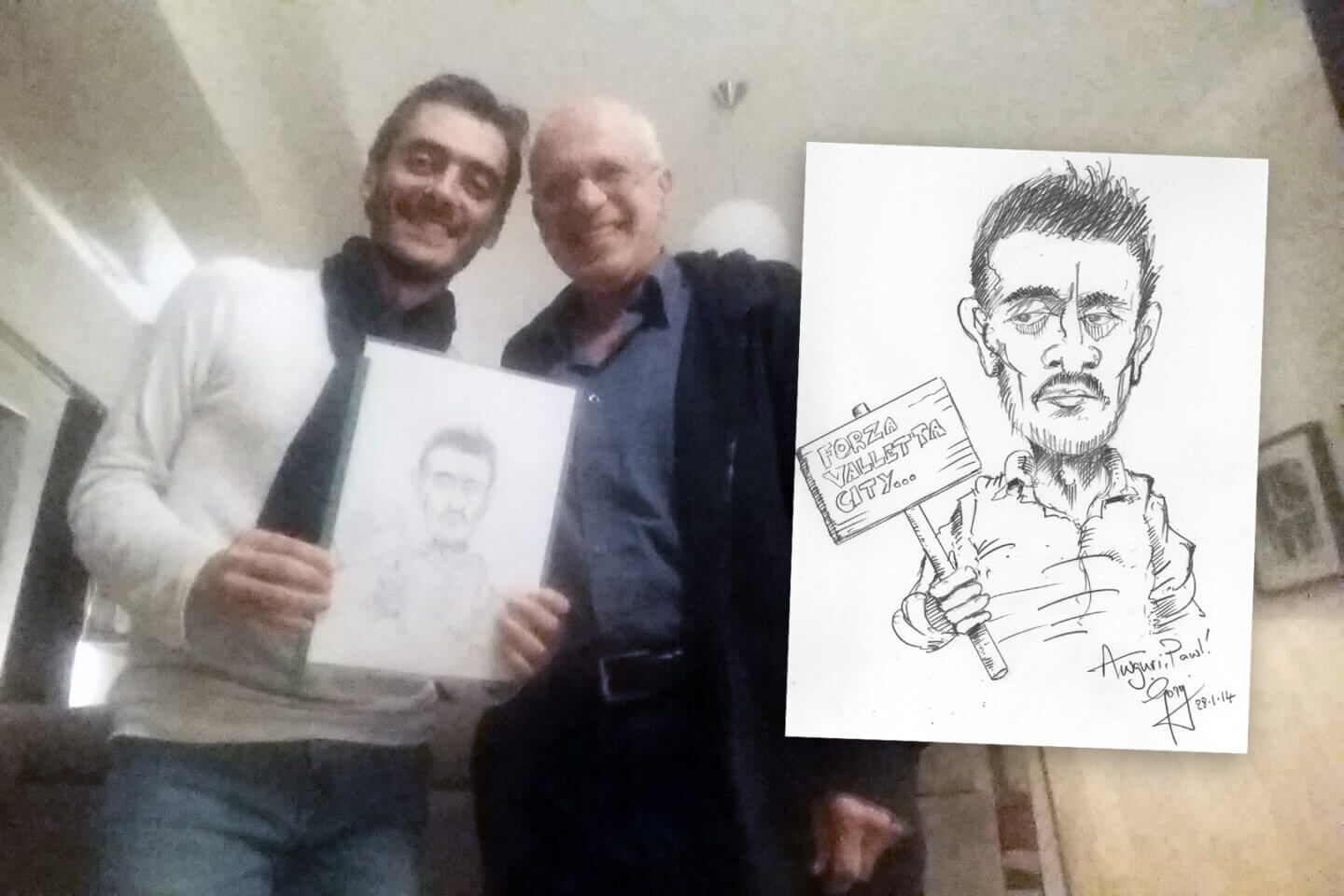
One of my fondest memories began as a joke on Facebook in 2014. He wished me a happy birthday, and I quipped back, “I expected you to draw a caricature of me.” Within minutes, he posted one in reply, later giving me the original drawing at his apartment in Msida. At the time, my mother was beginning to show early symptoms of dementia. When I returned home, I photographed her holding the sketch and sent it to him. His reply was deeply heartfelt; he appreciated the gesture, revealing just how attuned he was to people through his art. Later, he was genuinely surprised when I told him I had framed the piece, insisting, with characteristic modesty, that I shouldn’t have bothered for what was “just a quick scribble”.
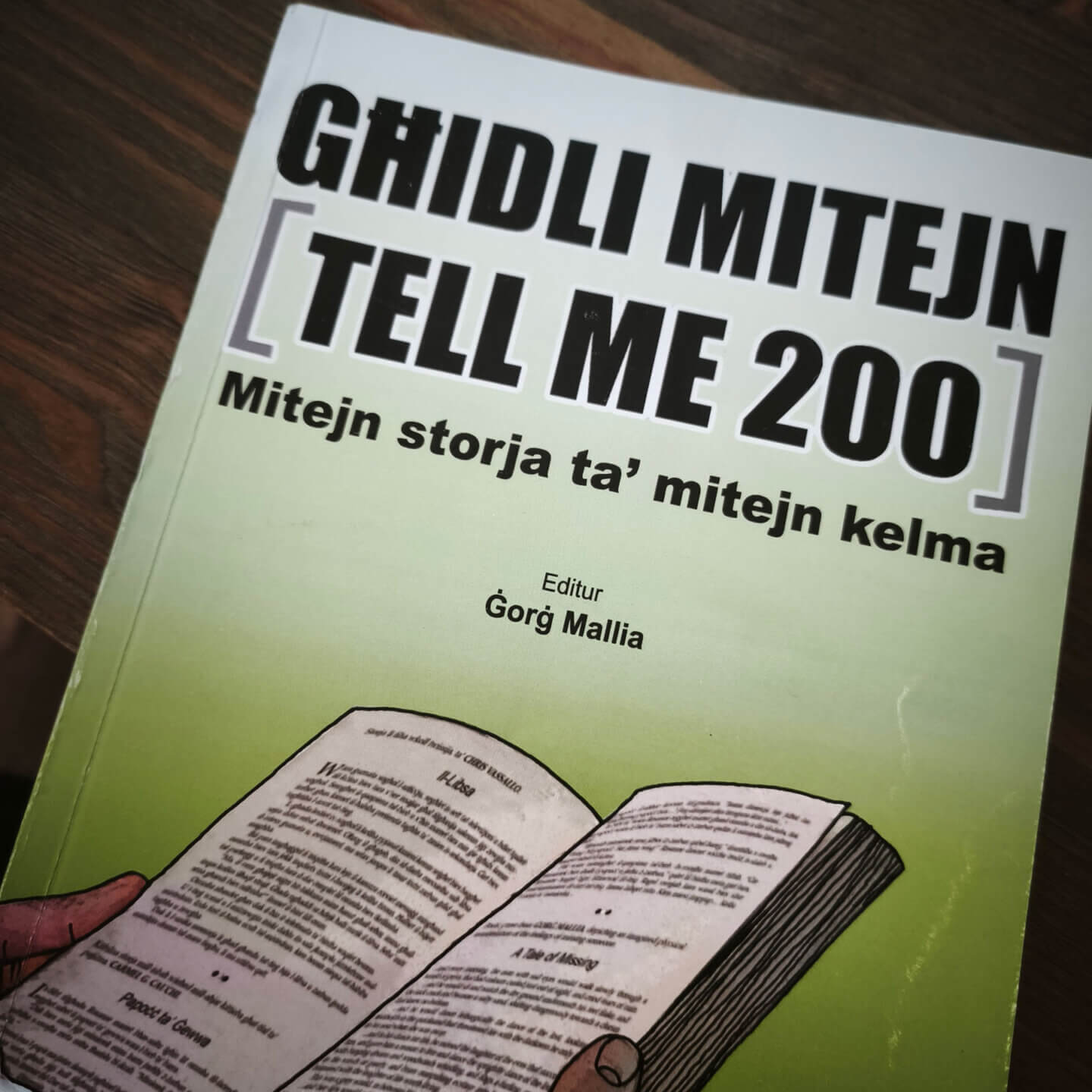
Ġorġ supported my writing in a way no one else ever did. When he curated the collection Għidli Mitejn: Tell Me 200, he chose to publish a few of my 200-word stories. It was one of the very rare times anyone had intentionally published my work, and I remain deeply grateful for it. He genuinely believed in fresh voices, actively looking out for them and making space for them.
His commitment to his students didn’t simply end when a course did. I had once expressed my disappointment over how my Master’s degree was handled, specifically why it got a particular rating, and why no one had bothered to give us direct feedback on the final outcome. Nearly a decade after I completed the degree, he resurfaced out of nowhere with a detailed critique of my thesis report, apologising for the delay. He warned that comments in his review might have come across “a bit harsh”, but he softened the moment with characteristic warmth, reminding me that he himself had marked my work as an A.
He was equally quick to offer practical help when I reached out. Two years ago, when I launched an initiative through my Facebook project Belt Valletta to recognise local residents, I asked if he might help source a few books given his involvement with the University of Malta Press. He replied immediately, telling me to drop by his office where a box was already waiting. When I arrived, he was in a rush, moving quickly between commitments, but he excused himself with his usual gentleness, handed me the box, and simply said, “Pick it up and take it.” It was such a small moment, yet it captured him perfectly: helpful, thoughtful, and entirely without pretension. That was the last time I saw him in person.
Throughout the years, he kept close tabs on my life. He congratulated me on key milestones, including the day I received the keys to my home. He always replied to exhibition invitations even when he couldn’t attend. Out of the blue, he would send me newspaper reviews of my own exhibitions, just in case I missed out on them.
I last heard Ġorġ, two or three days before his passing, on a radio interview. It must have been Radju Malta 1. He was indeed a reference point but the legacy he leaves behind is also built on quieter things: the messages sent, the drawings shared, the conversations held, the encouragement offered, and the friendships nurtured. He was a scholar, but above all, he was a man of great empathy, humour, and initiative. I consider myself remarkably fortunate to have crossed paths with him and to have felt the boundlessly creative energy that his soul emanated.
I salute my friend, Ġorġ’s son and my former colleague Samwel, as well as all of Ġorġ’s family, and encourage them to continue publishing the many works he undoubtedly left behind.


